


Fundamental issues: the nature and value of conveyor systems
1. Engine assembly lineWhy do I need a special conveyor system?
As a core component of automobile, the assembly of engine involves hundreds of precision parts, which have strict requirements on positioning accuracy (±0.1mm level), shockproof and anti-shift. Traditional manual handling is inefficient and prone to quality problems, while mechanized conveying systems are realized in three mainstream ways:
- step by step: Isometric layout of workstations, synchronized movement of all threads, suitable for standardized mass production
- chained: Uniform speed continuous conveying, support manual/semi-automatic assembly scenarios
- AGV: Autonomous movement based on navigation algorithms, breaking through fixed-orbit constraints
2. What are the core differences between the different modes of transportation?
The key differences are reflected inFlexibility, precision, costThree dimensions:
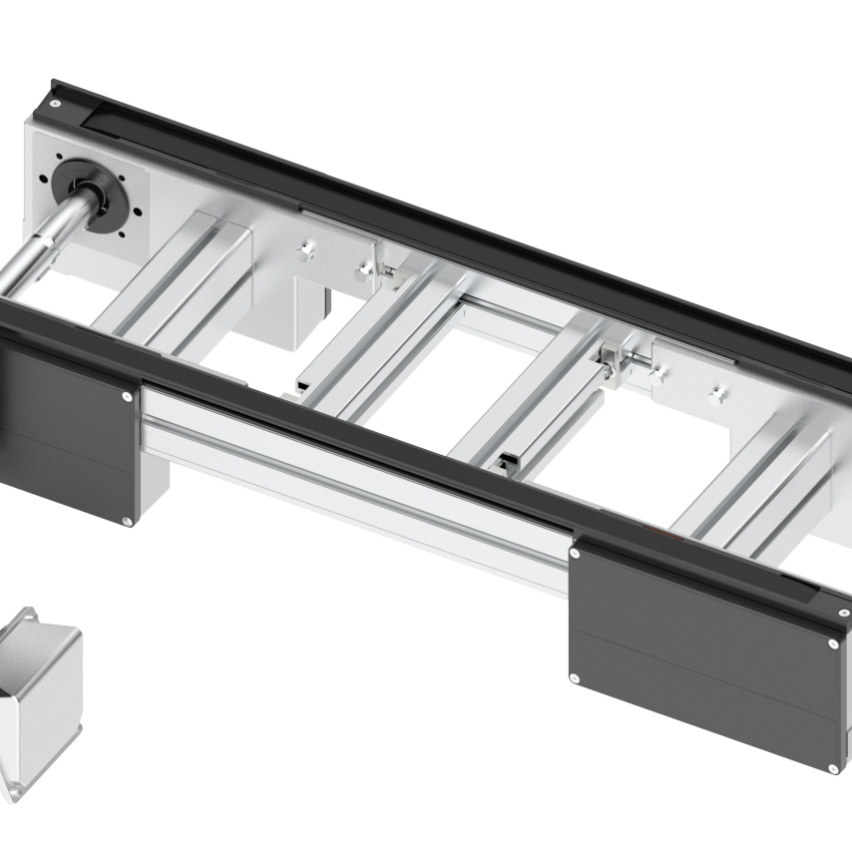
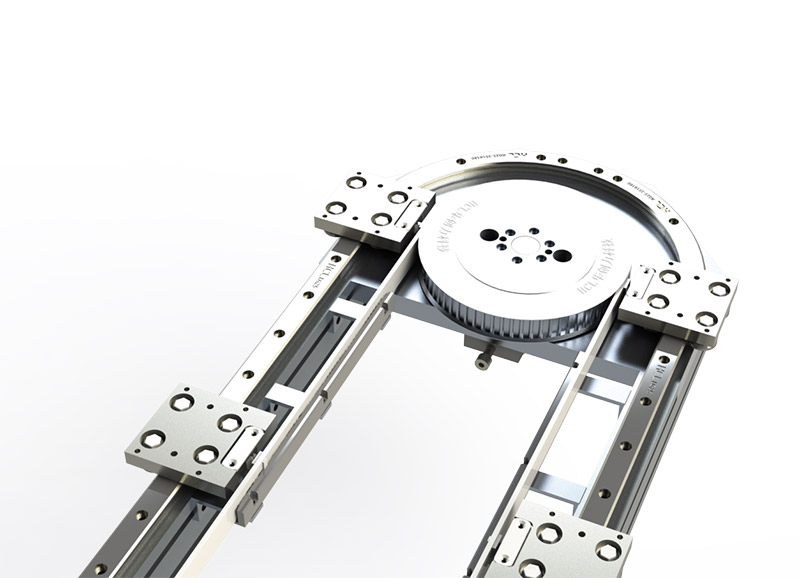
- step by stepSynchronization of the entire line by lifting and panning or push-pull structures (e.g. cylinder pusher, hook chain), low cost but lack of flexibility
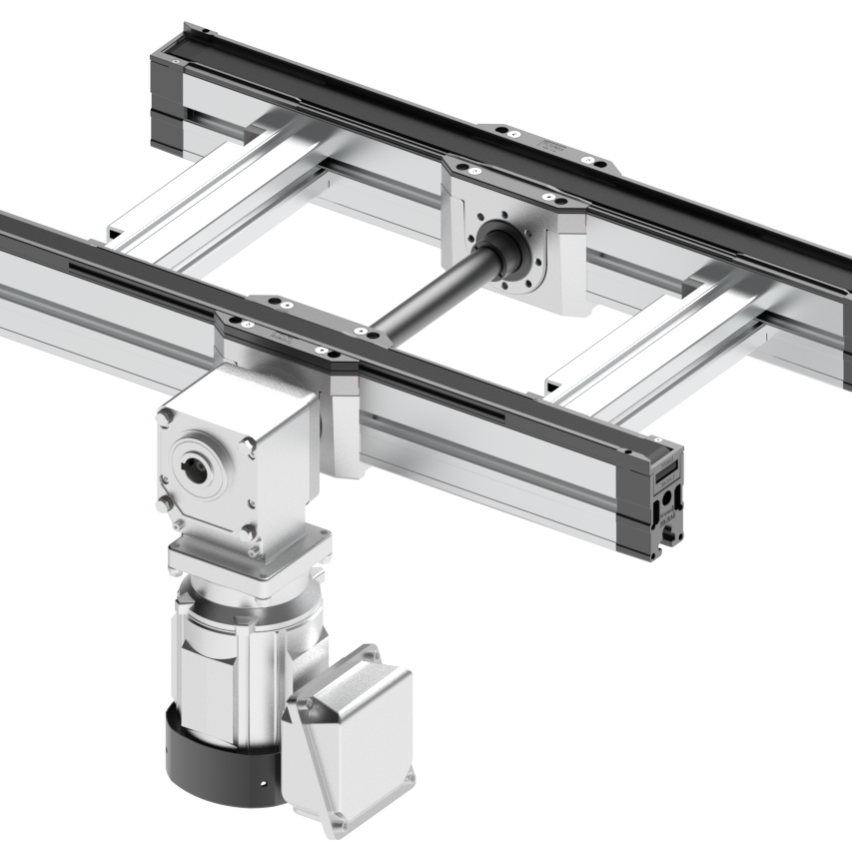
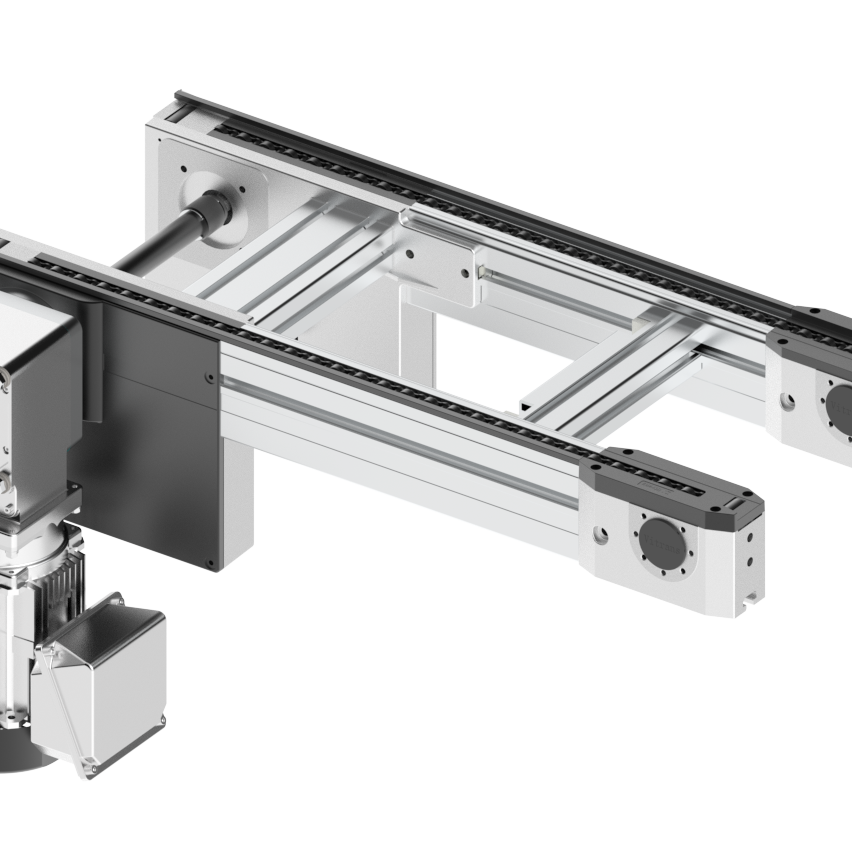
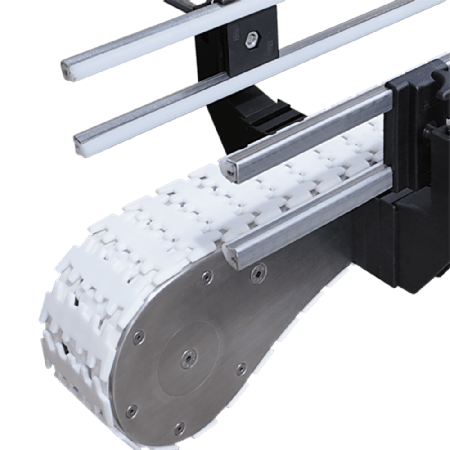
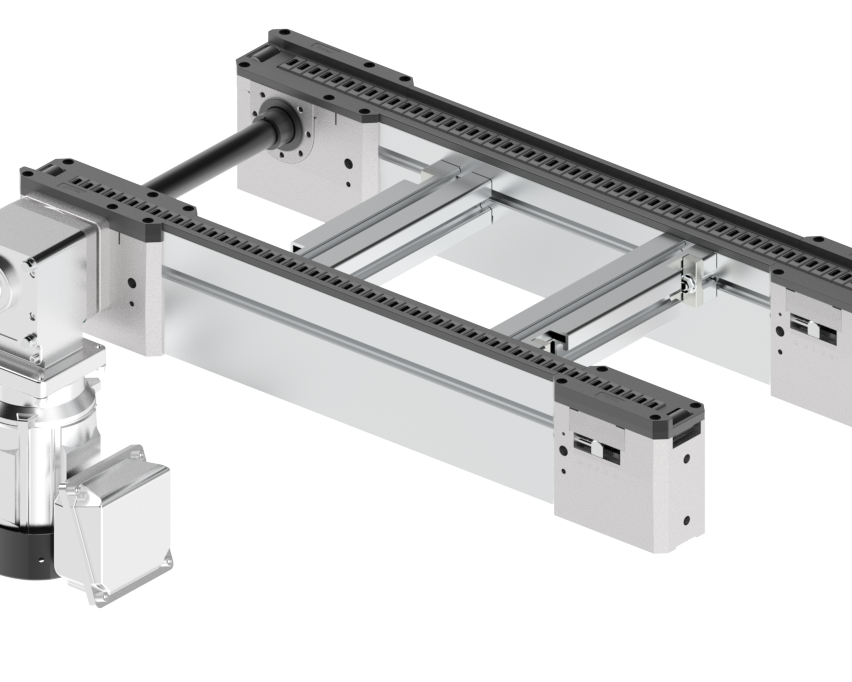
- chainedSub-fixed bracket plate chain (single species) and activity trolley (multi-species mixed flow), to the ground drag chain driven bearing trolley, with accumulation and release function
- AGVFusion laser/SLAM/BeiDou navigation, ±10mm level positioning accuracy, support crankshaft auto-positioning
Scenario Problem: Selection Logic and Landing Practice
1. How to choose the conveying method according to the production needs?
Selection needs to be matchedProduct characteristics, capacity, automationThree main elements:
- step by step: Small engines for cars (<30m line length), standardized production line with an annual output of 200,000 units or more
- Chain activity trolley: Multi-model engines for commercial vehicles, adapted to different cylinders by replacing trolleys
- AGV: High-end passenger car/mixed line production, external assembly process with frequent attitude adjustments
Case: An engine plant in Shandong adopts AGV compatible with 10 diesel engine models, and realizes automatic model identification through magnetic navigation + RFID.
2. What are the special schemes for the transportation of heavy engines?
Heavy-duty engines over 1.5 tons require enhanced load-bearing design:
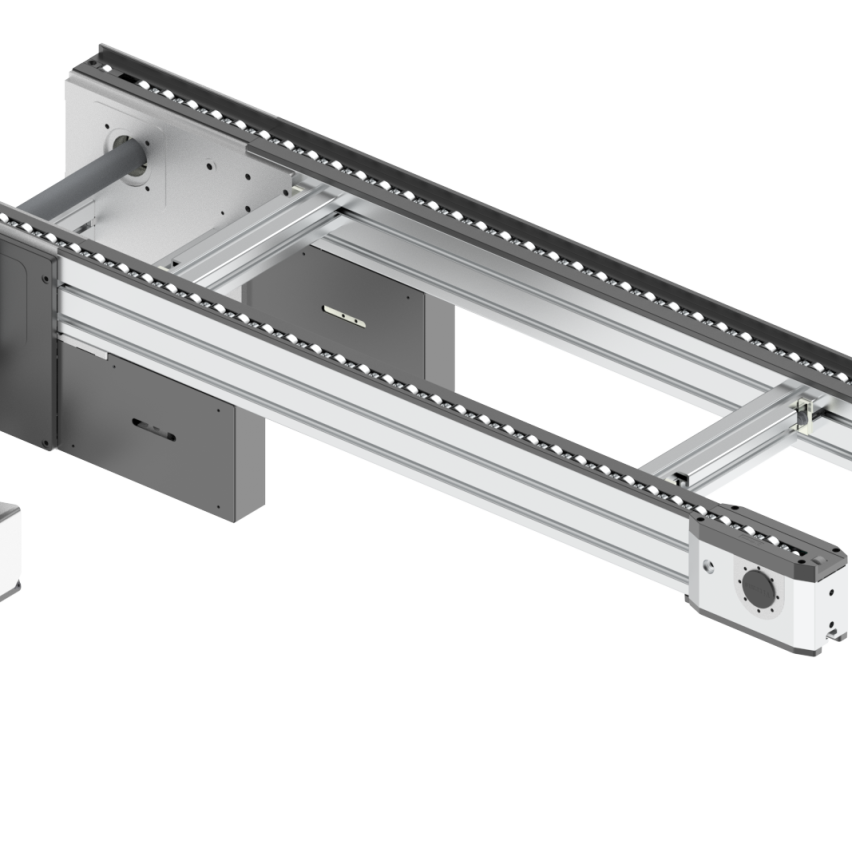
- Friction Roller ConveyorTapered roller + double roller bar structure, single point load-bearing up to 2 tons
- AGV Dual Differential Wheel Module: 20-ton heavy-duty AGV with 5° climbing capacity + 30mm barrier-crossing design
- Chain Speed Chain: Horizontal ring layout + accumulation function, effectively reducing pallet wear and tear
Solutions: Risk Avoidance and Technology Upgrade
1. What are the consequences of wrong selection?
- Stepper for mixing lines: The distance between the work stations was fixed and could not be adjusted, and the whole line was shut down for remodeling when the model was changed.
- Chain mounting brackets for automated assembly: Lack of locator function, tightening machine can not be synchronized with the accompanying
- AGVs do not consider indoor-outdoor interface: Breakdown of navigation signals triggers downtime, affecting the beat
Lesson: A factory chain conveyor line was forced to spend an additional 3 million on renovation because it did not reserve positioning devices
2. How can conveyor systems be upgraded on existing lines?
Older production lines can be retrofitted with modularization to improve flexibility:
- Step → Chain: Addition of movable trolley tracks, retaining the originaldrive system
- Chain → AGVDeployment of magnetic stripe navigation AGVs in parallel with the original conveyor line for gradual replacement
- Hybrid dispatch system: AGV + friction roller synergy, AGV for cross shop transfer, rollers focus on main line assembly
Practice: Aisino AGV system realizes seamless transfer of engines from assembly workshop to painting workshop, saving manual transfer time 40%
Technology evolution: future trends and directions for innovation
1. How do magnetically driven trays solve industry pain points?
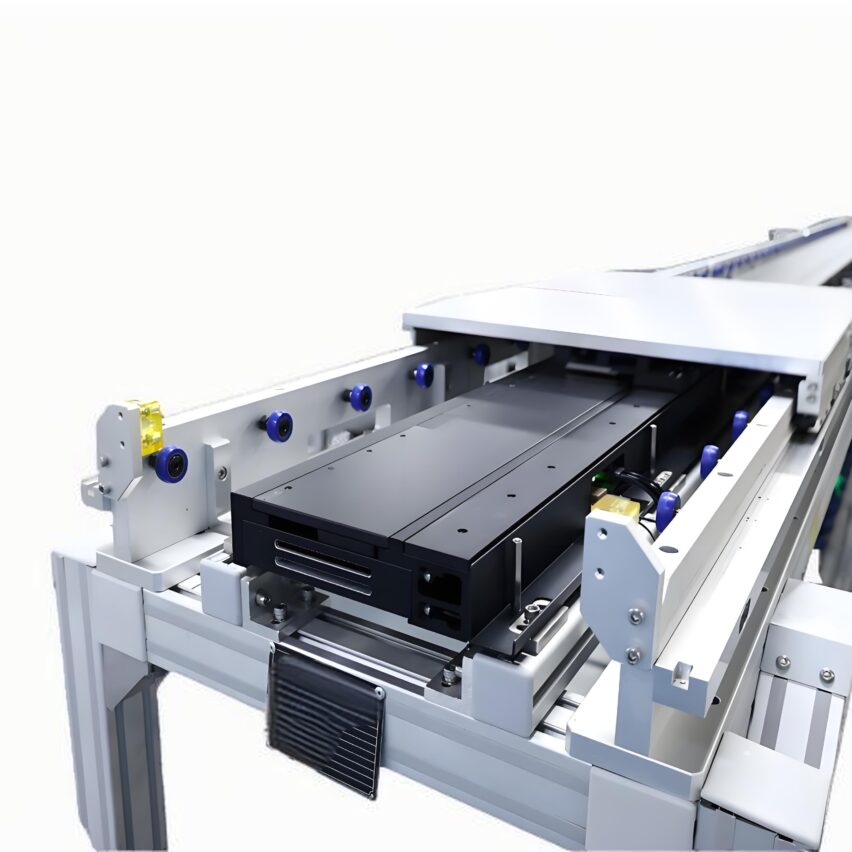
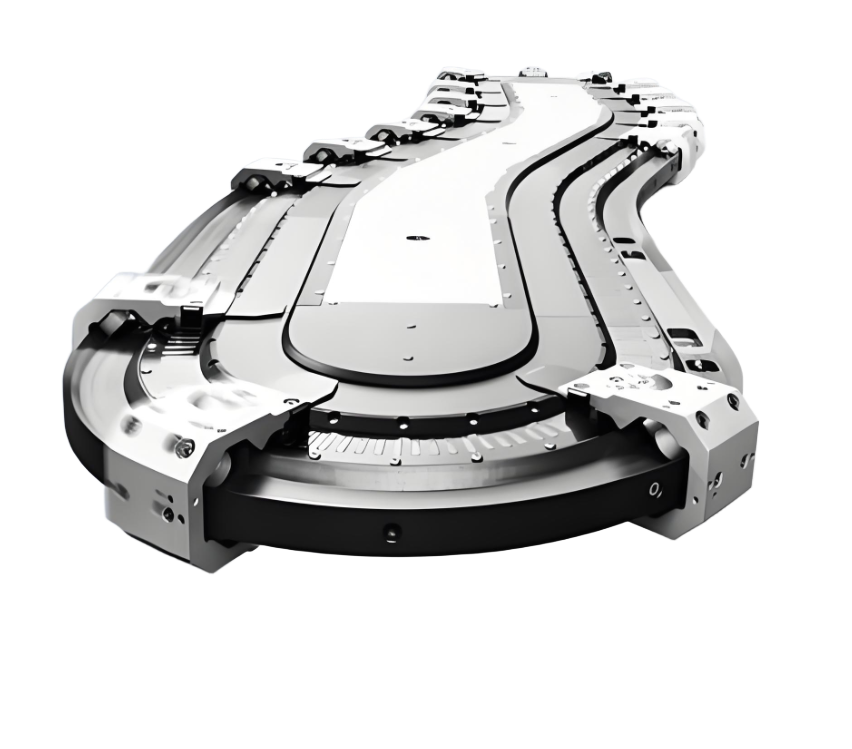
The traditional chain conveyor is easy to deflect in the turning section, while the magnetic drive pallet technology breaks through the bottleneck:
- Permanent magnetic guides to control pallet spacing, cornering offset <1mm
- Energy consumption is reduced by 30% compared to chain type, and maintenance cost is reduced by 50%
- Applied in Shanghai Volkswagen engine plant car assembly line
2. How does 5G+AI reconfigure the delivery logic?
new generationIntelligent Conveyor SystemsThree major changes are presented:
- Dynamic Path Planning: AGV scheduling algorithm based on real-time production data, transportationEfficiency gains30%
- digital twin control: Virtual commissioning verifies conveyor beats in advance, reducing trial and error costs 60%
- Self-aware safety systems: Millimeter-wave radar + machine vision fusion for obstacle avoidance, accident rate down 90%
industry consensus: Steppers still dominate economical production lines, AGVs inflexible manufacturingScenario penetration will rise from 35% in 2025 to 60% in 2030