


❓ Why do engines always turn over when cornering?
Let's start with the truth: Have you ever seen an engine ”drifting” on an assembly line? When a traditional conveyor line rounds a corner, pallets are thrown out like they're drunk! Why?centrifugal force works wondersAh. Especially the commercial vehicle engine such a big block, not moving 1.5 tons to start, the inertia of the cornering rush, light will hit the crooked baffle, heavy will be directly derailed and stopped - a factory has been because of this!Losses of $800,000 in a single dayThe
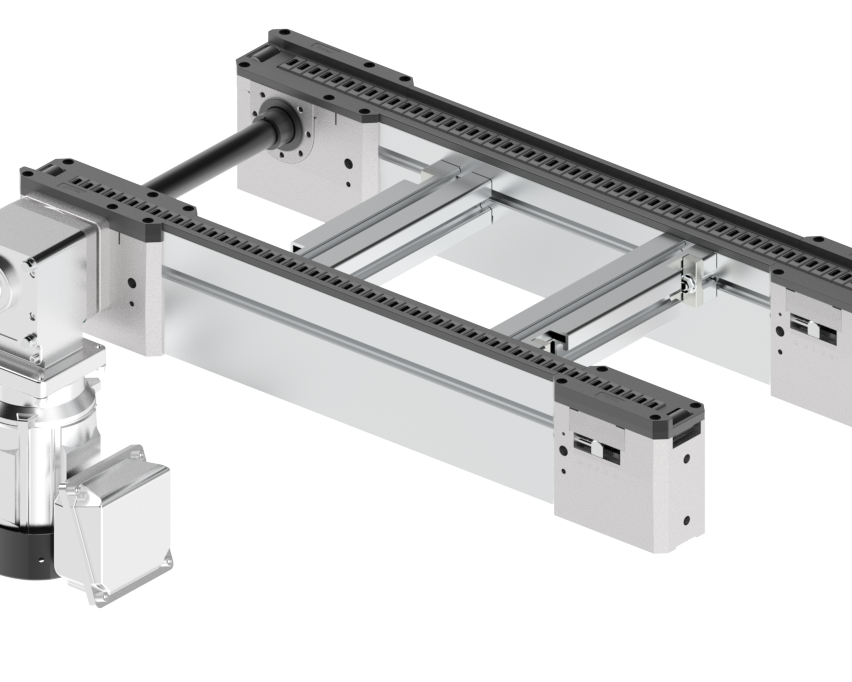
More heartbreaking is the old program: use the chain hard lock pallet? As a result, workers have to remove the screws to unload the goods; slow down? Capacity directly dropped 30% ... This dead cycle stuck in the industry for more than ten years, until the magnetic drive pallet conveyor line came out of nowhere!
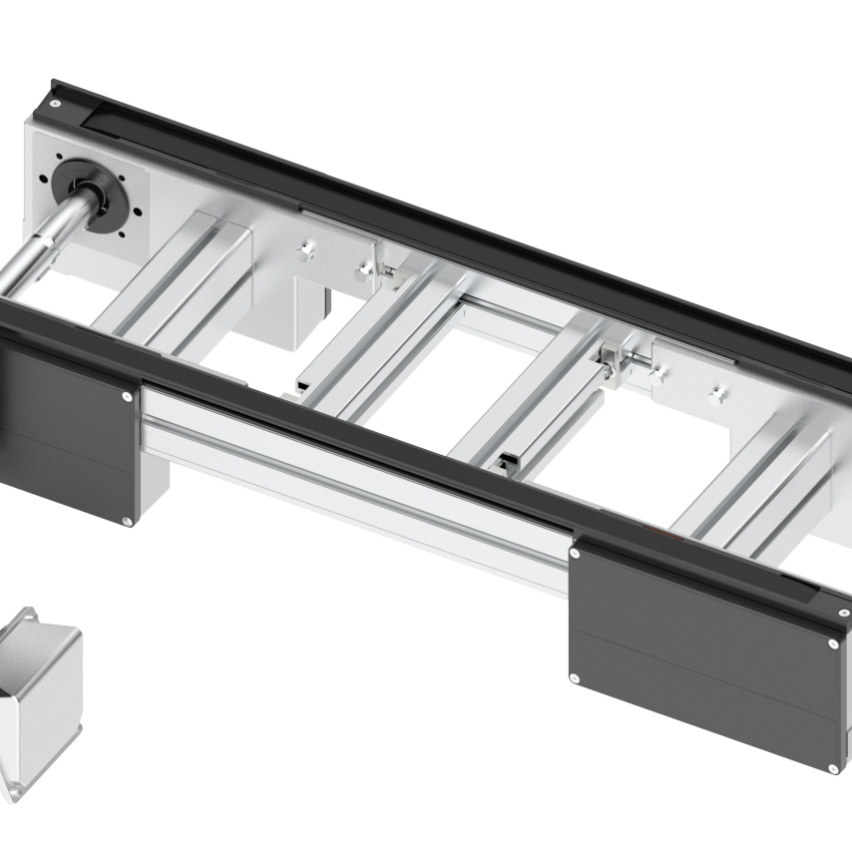
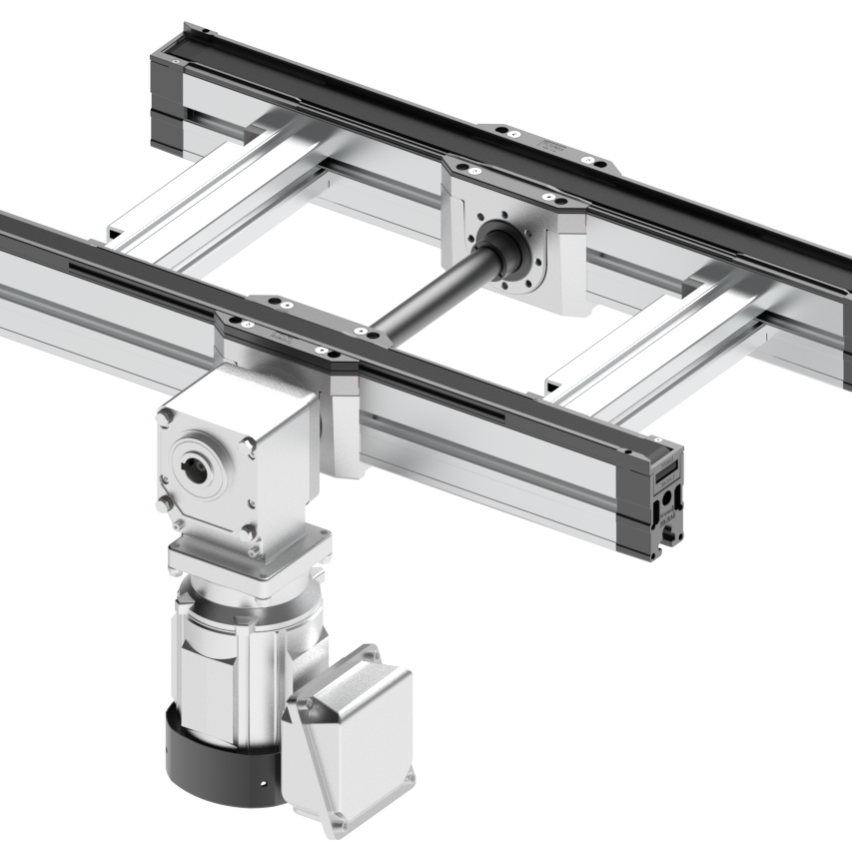
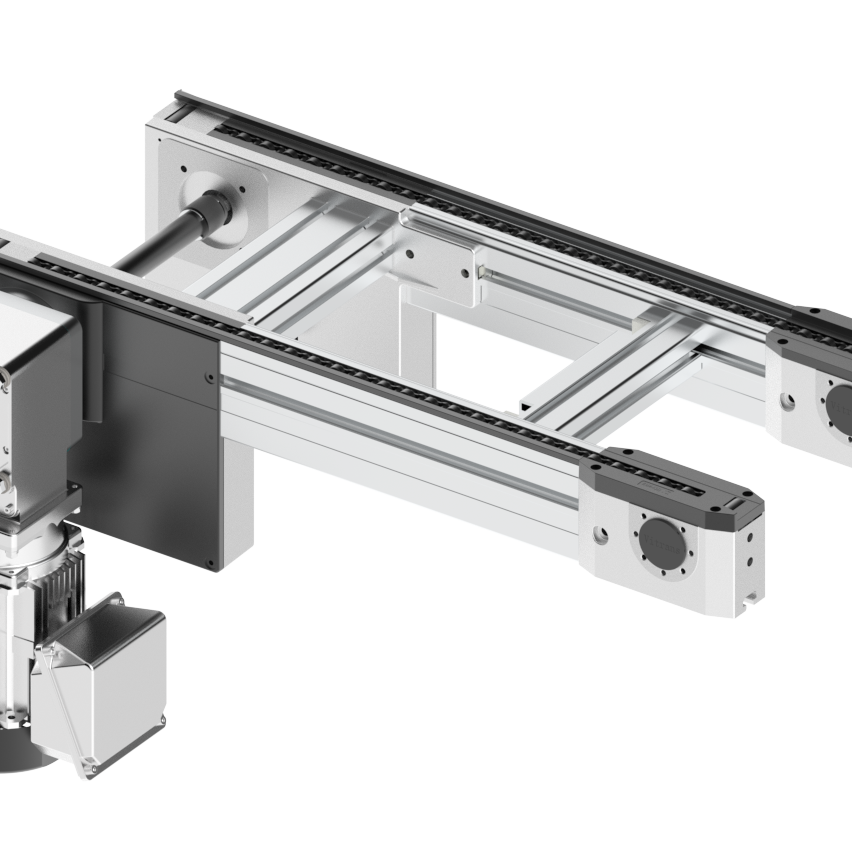
⚡ Magnetic drive black technology: letting the pallet ”hang on”
What's so great about this technology? Four words.non-contact drive! Take apart the core triple axe 👇
-
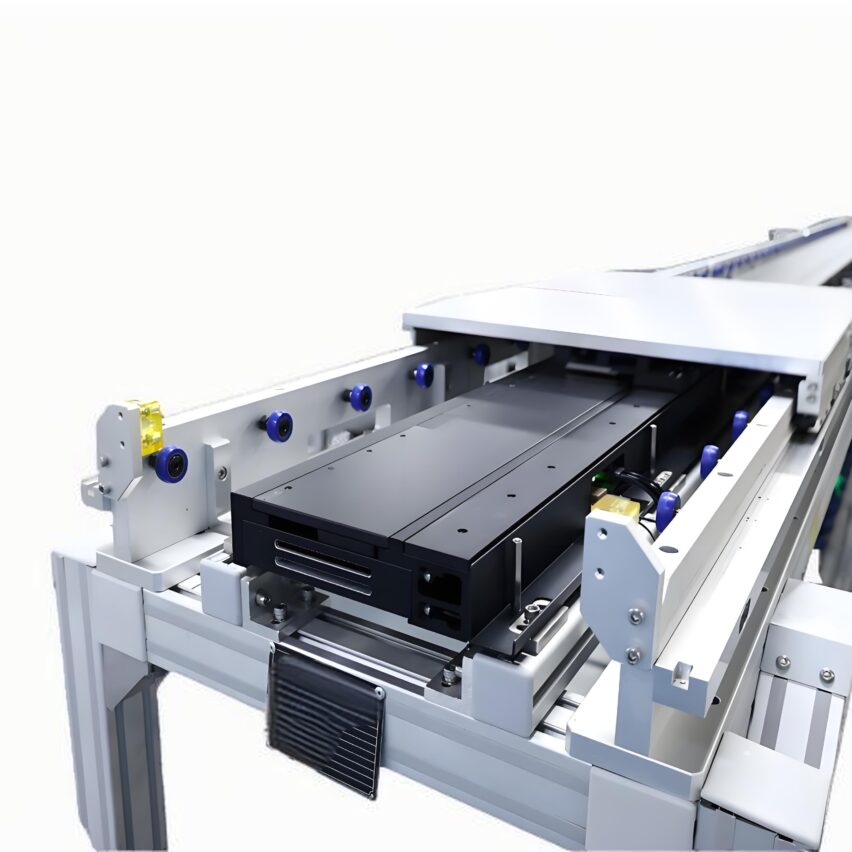
Electromagnetic coil + permanent magnet set CP
Track embedded coils, tray stick magnets, energized to produce ”push and pull induction force” - like two rows of magnets in love, a chase a run, the tray was ”sucked” to slide forward. Shanghai Volkswagen engine plant test.Offset <1mm, steadier than a hair's breadth! -
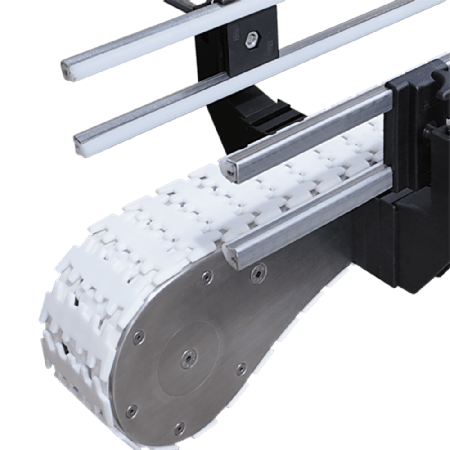
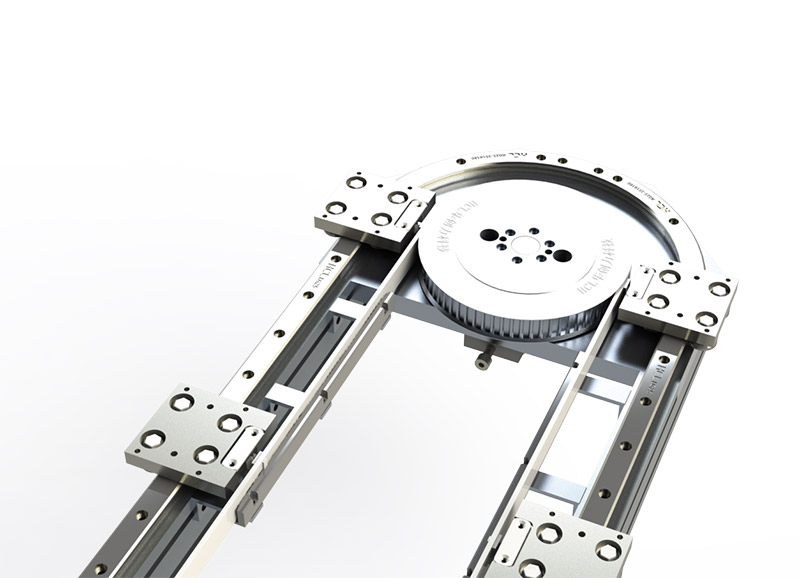
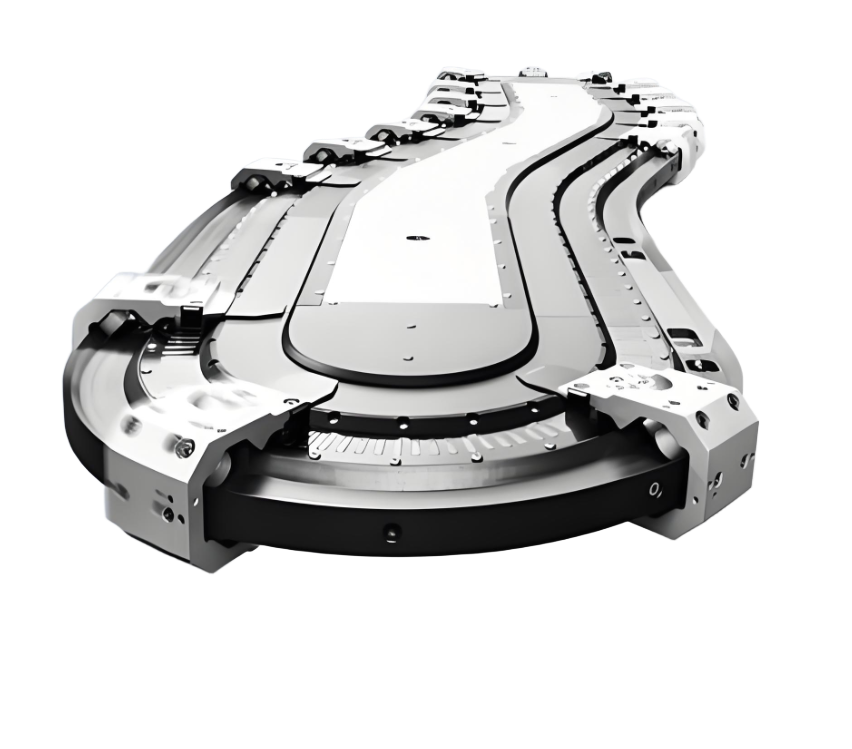
Curved guideway ”forced turn”
Traditional right-angle corners, which are high accident areas, are now replaced withcurvature gradient orbit (physics)(Imagine highway curve design), with sidewall roller limit. A factory in Suzhou actually tested.15-ton heavy-duty turning speed increased by 3 timesThe tray was never cheated on again. -
Self-regulating reaction force system
The best part is this trick! The higher the centrifugal force of the pallet, the more the track coil automatically increases the reverse magnetic force--Teaching Corrugator's Law LiveShandong production line data: centrifugal force offset rate of up to 92%! Shandong production line data: centrifugal force offset rate as high as 92%, baffle life from half a year to 5 years.
🏭 Real-life examples: from the ”rollover scene” to ”silky smooth cornering”
Volkswagen Ningbo Engine PlantThe pain points are typical enough:
- 8 sharp bends in the assembly line, manual speed reduction required for each bend
- 400,000 machines per year, 1 second per speed reduction = 300 hours of annual loss
After getting on the magnetic drive tray line 👇
✅Magnetic guide + RFID identification: Automatic matching of magnetic strength for different models
✅Dual Differential Wheel Module: Climbing 20° slopes as it should be
✅Buffer spring + pneumatic stabilizer plate: Dual stabilization design
Results?Cornering Speed 50%, saving 2 million dollars a year in maintenance costs! Production line director's words: ”The engine is now so stable in corners that you can watch it with a cup of coffee in your hand.” ☕
🔮 The future is here: magnetic drives can be even more ”exciting”!”
You think this is the ceiling? Tougher still to come!
- 5G + Dynamic Path Planning: Number of kinetons exceeds 254, system automatically avoids (refer to Positive Motion Technology Program)
- digital twin preview: Virtual debugging cuts out the cost of trial and error 60%
- Superconducting magnetic repulsion levitation: Suspension height soars to 30cm, saying goodbye to friction once and for all!
Industry forecast: by 2030.Magnetic drives to reach 60% penetration in engine production linesThe Cornering Problem? It's long overdue for a museum!
Exclusive Perspectives: Don't underestimate the technology! It is essentiallyReplacing mechanical forces with electromagnetic forcesThe revolution. It's like a fuel car turned trolley - quieter, more precise, more resistant to building. The next time you see an engine gracefully cornering, remember: that's the magnetic field doing the tango 💃🕺