


How the hell does this thing turn?
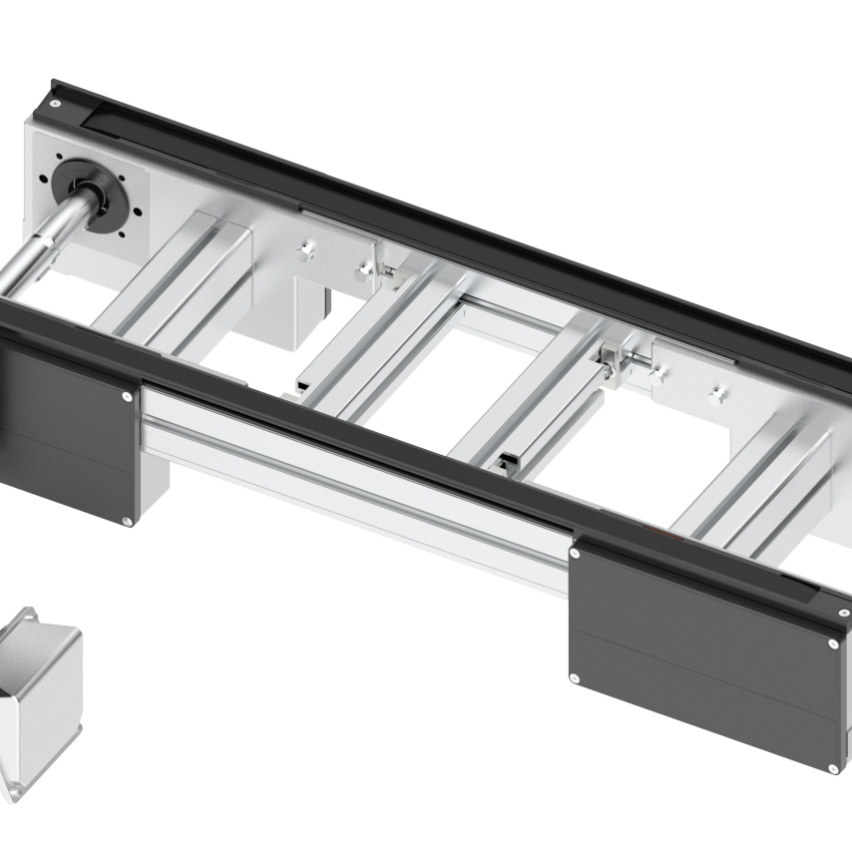
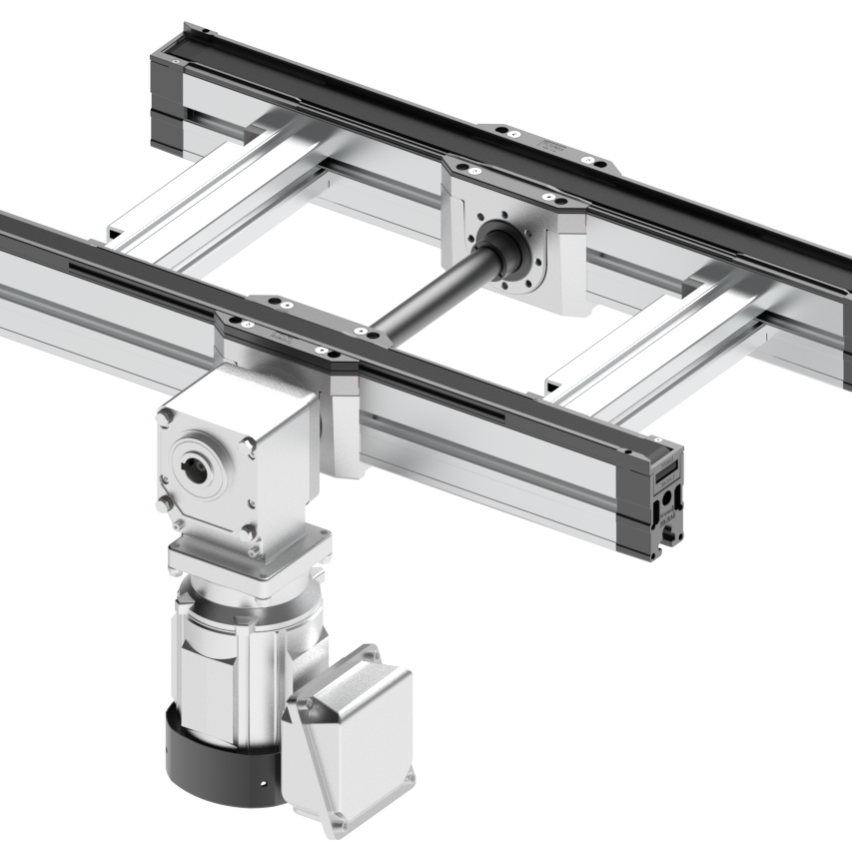
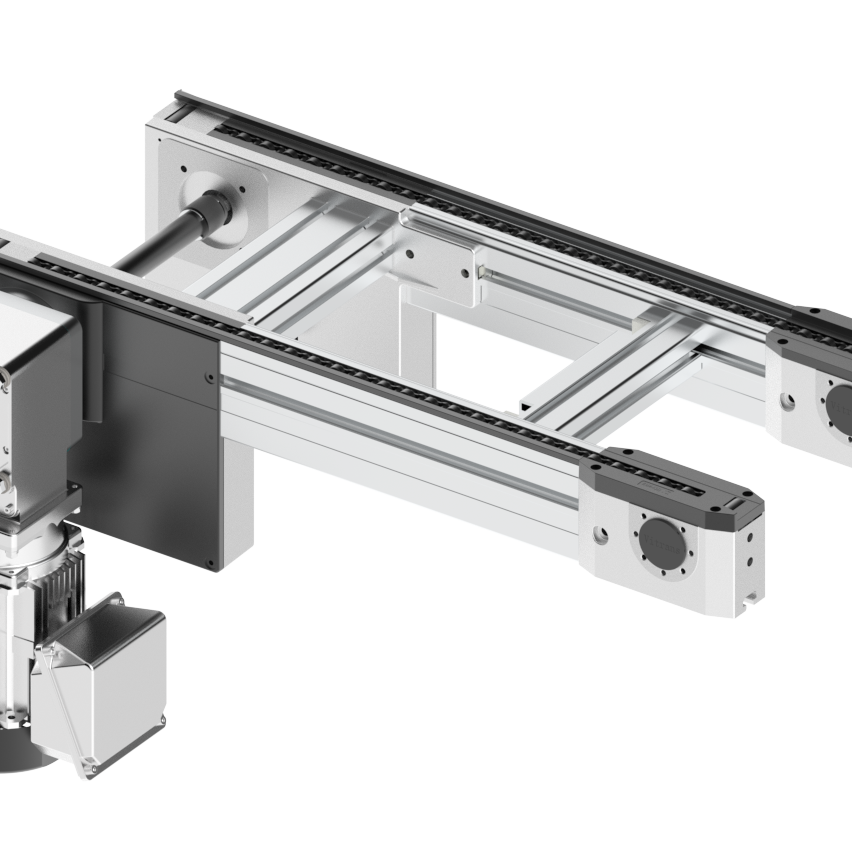
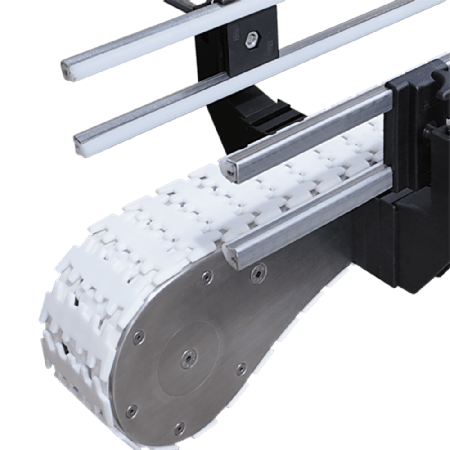
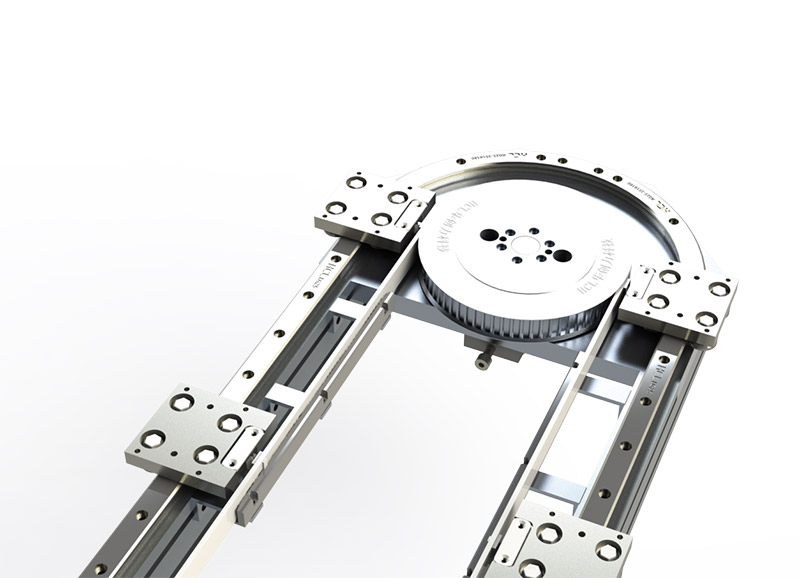
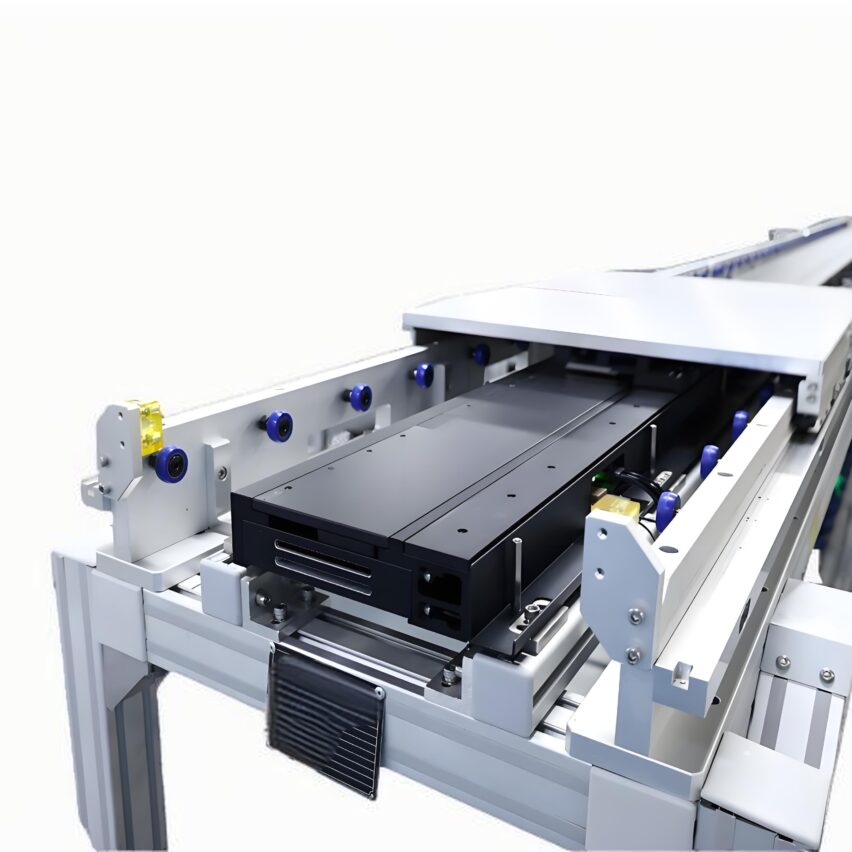
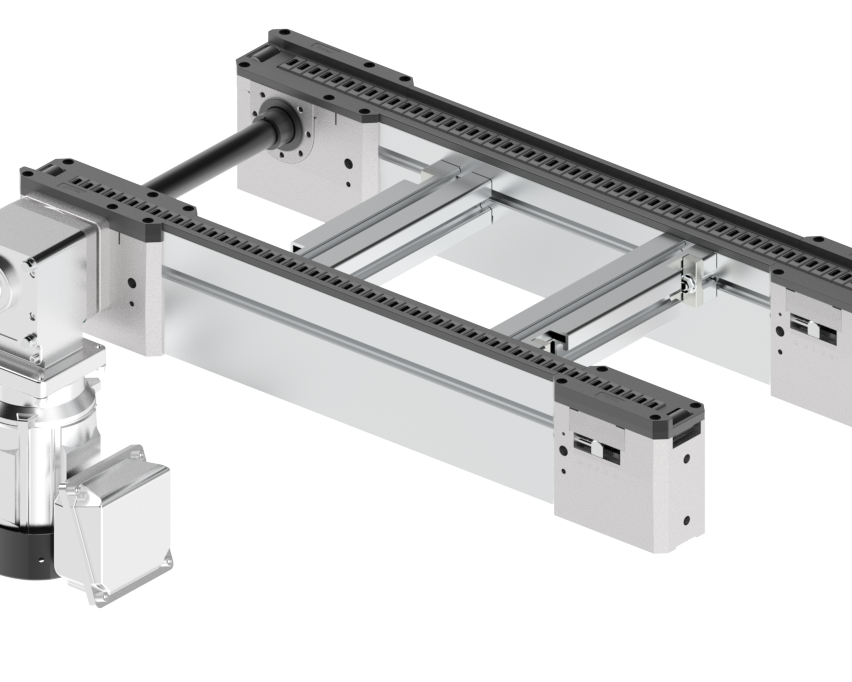
Let's take it apart - turnroller conveyorThe core of this is the three components.Drive roller(power source).Conical Roller(Steering key)support framework(for carrying heavy loads). Ordinary straight conveyor line rollers are straight, but you must use tapered rollers for turning sections. Why? Imagine a group of people running in a circle hand in hand: those in the inner circle have small steps, those in the outer circle have big steps. That's what conical rollers do--Inside drum diameter is small, slow speed; outside diameter is large, fast speedThis is so that the inside and outside line speeds are automatically matched when the goods turn and are not crowded together.
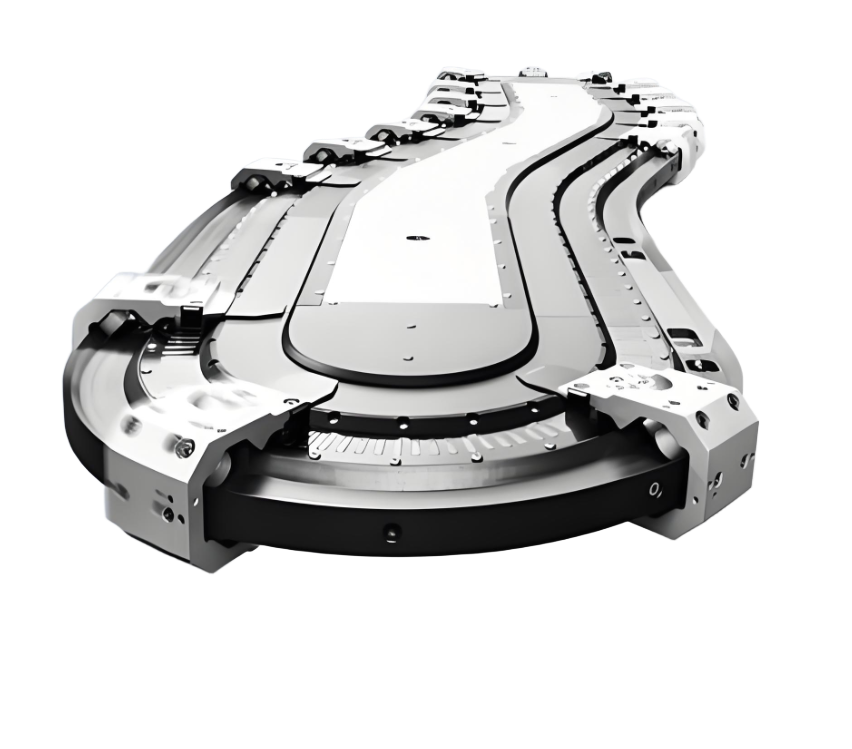
The actual run up is like this: the motor through the chain or belt driven drive roller, conical roller group arranged at an angle. For example, 90 ° turn area, the roller will be lined up in a 1/4 arc, the goods go up, the inner roller slow turn, the outer roller whoosh run, naturally smooth cornering. Here is a hard indicator.Taper angle = arctan(drum width/2 x turning radius)The following is an example. As an example: for a conveyor line with a width of 1 meter and a radius of 1.2 meters, the anti-running effect is best when the taper angle is ≈ 2.4°.
How much does it differ from industry to industry?
-
E-commerce warehouse: playing the “blitzkrieg”
A South China logistics center uses a 180° three-tier turn line with upper level inbound, middle level sorting, and lower level outbound. Key operations.Laser volume measurement of packages before they enter the bend, automatic grouping by the system--Small pieces go to the inner circle (radius 600mm), large boxes go to the outer circle (radius 1200mm). Speed open to 3m/s, sorting 20,000 pieces per hour, manual handling directly cut 70%. -
Automobile factory: the loss is “iron lump”
The chassis of the car weighs half a ton, and the normal conveyor line wobbles at the first turn. A car company program.Double-layer carbon steel roller + hydraulic damping buffer.. The top layer conveys and the bottom layer does the emergency recycling track. Even tougher - the rollers are covered with polyurethane rubber (80 Shore D hardness), and there are zero collisions with metal parts when turning. This system has reduced the production line failure rate from an average of 8 to 1 per month. -
Food Workshop: Fighting the “Slippery Monster”
Bread factories are most afraid of dough sticking to the rollers. Solution.Food grade stainless steel drum + honeycomb hole design(Hole size 3mm). The dough contact surface is reduced by 60%, and the residue automatically falls into the lower crumb collection box. What's even better is to add a hot air curtain at the bend, with the temperature set at 65℃ - not only to prevent the dough from condensing and sticking, but also to avoid high temperature fermentation.
How to save yourself when you run off course? Old Driver Live Teaching
Scenario 1: Cardboard boxes are always squeezed to the inside
→ Check three:
- Is the taper angle deviation more than 0.5° (take a protractor card roller)
- Outer drum wear (feel surface for pits)
- Insufficient drive motor speed difference (measure inner and outer voltage difference)
Emergency program: Turning up the frequency of the outer inverter by 2 Hz has an immediate effect.
Scenario 2: Soft bag rolls over in a curve
→ Three insurance policies must be added:
- Physical Anti-Flip: Reduce roller spacing to 1/3 of the bag length (ensure at least 3 rollers are bottomed out).
- Dynamic deskew: 2 sets of photoelectric sensors are installed per meter on the curved road, and the speed will be reduced automatically when the deviation exceeds 5mm.
- The Ultimate Solution: Replacement of magnetic deflection roller, which sucks the packaging iron buckle by electromagnetic field (deflection force up to 200N)
Scenario 3: Cargo slipping during spiral climb
→ Remember the safety formula.Maximum lift angle θ≤15°(θ=arctan(height/arc length)). Case of a chemical plant: The angle of lift exceeded 18° when conveying drums of solvent, resulting in a series of rear-end collisions on a slope. Rectification program:
- Drums changed to diamond pattern surface (coefficient of friction increased from 0.2 to 0.45)
- Stopper every 3 meters (pneumatic stopper lifting speed <0.1 sec)
- Climbing section speed mandatory speed limit 0.8m/s
Editor's point of view
Eight years.Production line design, the most profound lesson is.Don't save money on the turning radius! Last year, a customer hard 1.5-meter-long mold into the 900mm radius line, saving 20,000 equipment costs, the result of monthly maintenance downtime loss of 120,000. The real reliable operation is: according to “cargo length × 1.2” radius selection, taper angle measured calibration to ± 0.3 °, the key position roller reserved 20% power margin. Remember - the turning line is not accessories, it is the production line “traffic conductor”, the post to understand the whole, the efficiency of the entire line can jump high 30%.