


Why is guide wear the main cause of downtime? A three-step process for accurate diagnosis
Chain loss caused by runaway accounted for 68% of the failure rate: When a conveyor belt is deflected due to the failure of the guiding mechanism, problems such as edge tearing and one-sided wear of the drum cover are generated. An automobile factory's roller replacement cost soared 120,000 RMB after 3 months because it failed to correct the 1cm runout in time.
Quick Diagnostic Tips::
- hear voices and recognize positionsMetal scraping sound suggests rail deformation, high-frequency vibration sound points to bearing oil shortage.
- touch detection: Touch the temperature of the guide wheel after 1 hour of operation, and the localized temperature exceeds 60℃, indicating abnormal friction.
- Marker tracking: Draw a line on the edge of the belt with a highlighter, run it for 10 revolutions and observe the line distortion.
The lubrication management revolution: from regular oiling to on-demand oiling
The Deadly Pitfalls of Conventional Lubrication: Uniform monthly grease filling resulted in over-lubrication of the 70% mechanism, which in turn adsorbed dust and increased wear. Innovative program adopted:
- Intelligent Drip Irrigation SystemAutomatic adjustment of oil supply according to temperature sensor data, increasing the frequency of 30% oil supply in the high temperature range (>45℃).
- Composite lubricants: Molybdenum disulfide grease for heavy-duty scenarios (3 times higher pressure resistance), food lines switched to PTFE coating (no contamination)
- visualization and monitoring: Installation of a transparent observation window on the guide wheel for direct visualization of the grease spreading condition.
Comparison of measured data
Lubrication method Bearing life Changes in energy consumption maintenance cost Traditional Monthly Maintenance 6-8 months Add 9% 高 Intelligent on-demand fuel supply 18-24 months Reduction of 5% Drop 37%
Eradication of runaway: dynamic regulation is more effective than rigid restriction
Innovative installation method for guide bars::
- staggered layout (e.g. of a building): Adoption of ”double-row staggered” bars in deflection-prone sections (spacing reduced to the standard value of 80%), with lateral binding raised by 50%.
- Adjustable base: Using a graduated wedge-shaped adjustment block (Figure 2), a single person can complete the 0.1-3mm level of accuracy correction in 5 minutes.
- Composite Gasket: 0.5mm polyurethane layer on the inner side of the metal guide strip to cushion the impact and reduce the noise by 12dB.
Dynamic deflection correction system practical case: A logistics center installed an airbag type deflection roller in the turning section and adjusted the thrust force in real time through the air pressure sensor. The deflection amount was reduced from ±40mm to ±5mm, and the belt jointslonger life2.3 times.
Regeneration of worn parts: Replacement is not the only solution
Guide Wheel Field Repair Three Methods::
- laser melting: Spraying tungsten carbide powder on localized wear grooves, hardness restored to above HRC62
- Cold welding repair: Fill defects with low-temperature metal welding to avoid thermal deformation affecting accuracy
- rotate and flip (idiom); fig. to turn sth over in one's face: V-guide wheel removed and installed in reverse, unworn surface put back into service
Economy Comparison: The cost of replacing the new guide wheel is about ¥800/pc, while on-site repair is only ¥200, and the downtime is shortened by 80%.
Intelligent Maintenance System: From troubleshooting to predictive intervention
Four Steps to IoT Transformation::
- Vibration sensors: Monitoring of bearing anomaly spectrum with 2-week advance warning of failure risk
- infrared thermography: Automatic scanning of the temperature field of the guiding mechanism, temperature difference > 15 ℃ trigger an alarm
- Displacement Laser RangingReal-time feedback of runout amount and automatic correction by linkage adjusting mechanism
- blockchain depository: Upload every maintenance data to form a tamper-proof equipment health record
After implementation at a chemical company, unplanned downtime was reduced by 901 TP3T and spare parts inventory was suppressed by 451 TP3T.
Exclusive Data Insight: Multiplying Returns on Maintenance Investments
Industry research shows the implementation of scientifically maintained conveyor lines:
- Life extension curve: 201 TP3T increase in maintenance inputs in year 1, but 341 TP3T decrease in total cost over 3 years (e.g., Figure 5)
- energy efficiency turning point: For every 0.01 reduction in the friction coefficient of the guiding mechanism, the energy consumption of the whole line is reduced by 1.2kW/hour.
- mass correlation: Guidance accuracy increased by 0.1mm, product scratch rate decreased by 7 percentage points
Maintenance is essentially an investment in productivity, not cost - when the maintenance budget is increased by $1, $8 in downtime + $15 in knock-on wear and tear can be avoided. Factories that think ”if it works, don't fix it” are paying a hidden penalty of $46 per hour per meter of conveyor line.
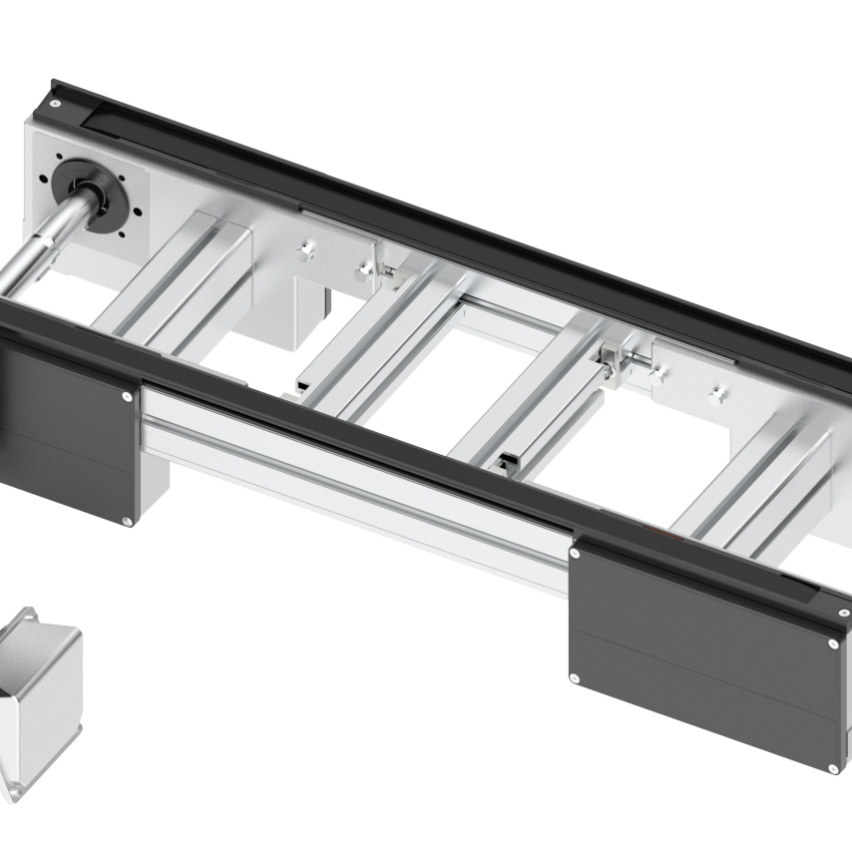
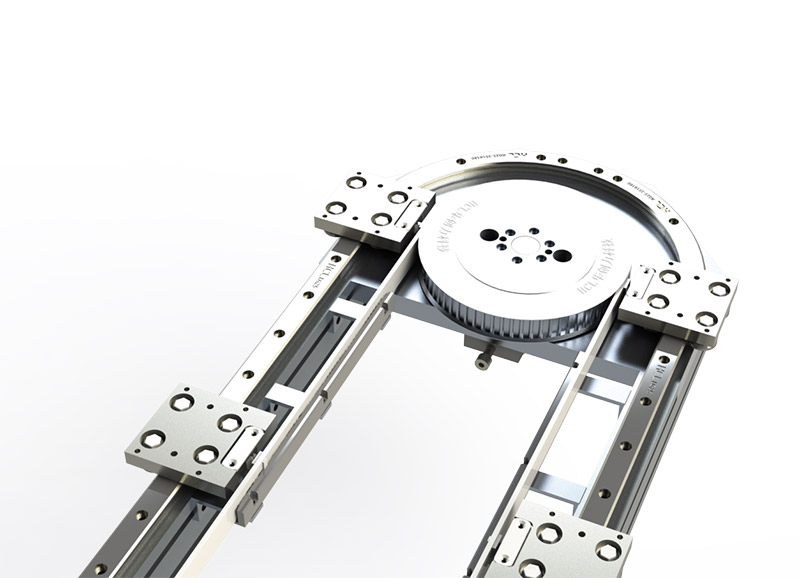
: Guide bar mounting structure and wear repair technology
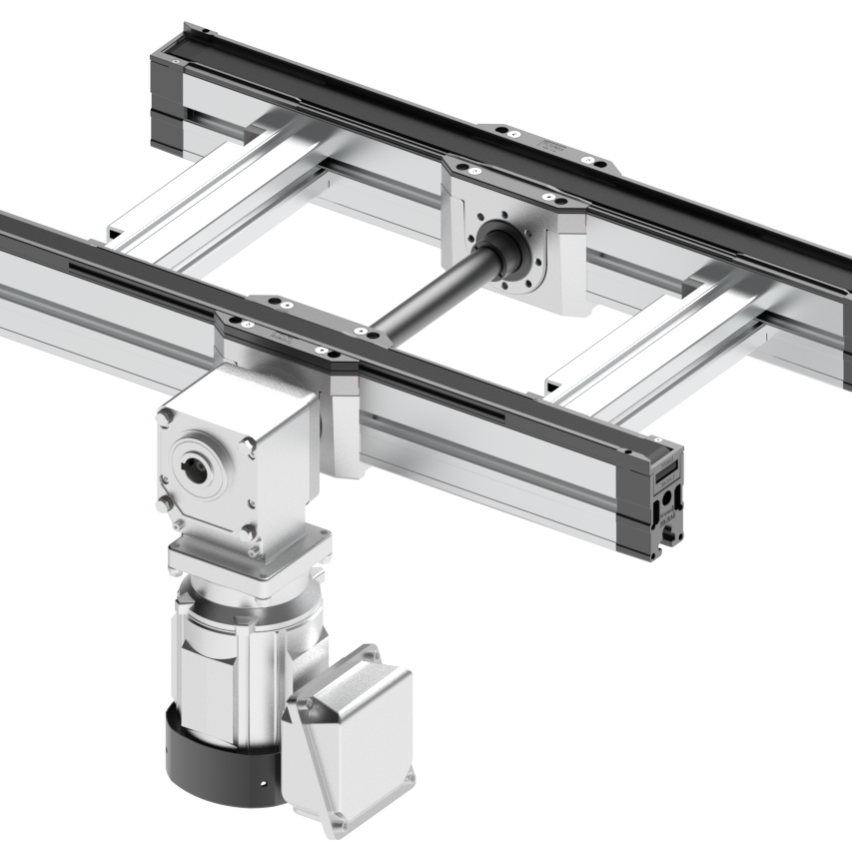
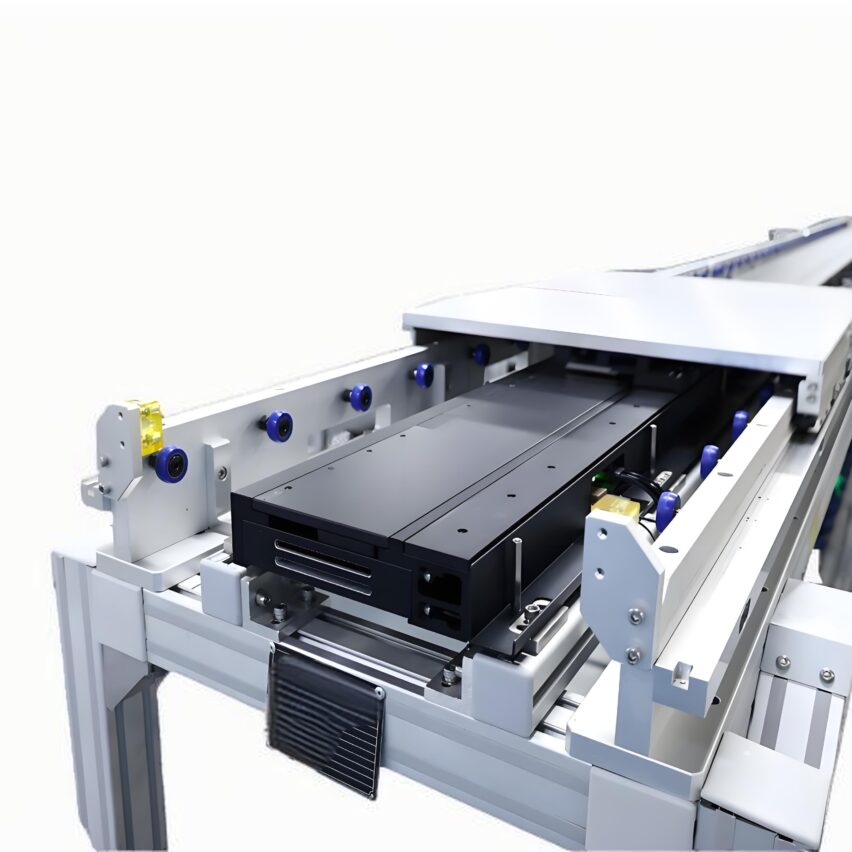
: Case study of deflection triggering and dynamic deflection correction system
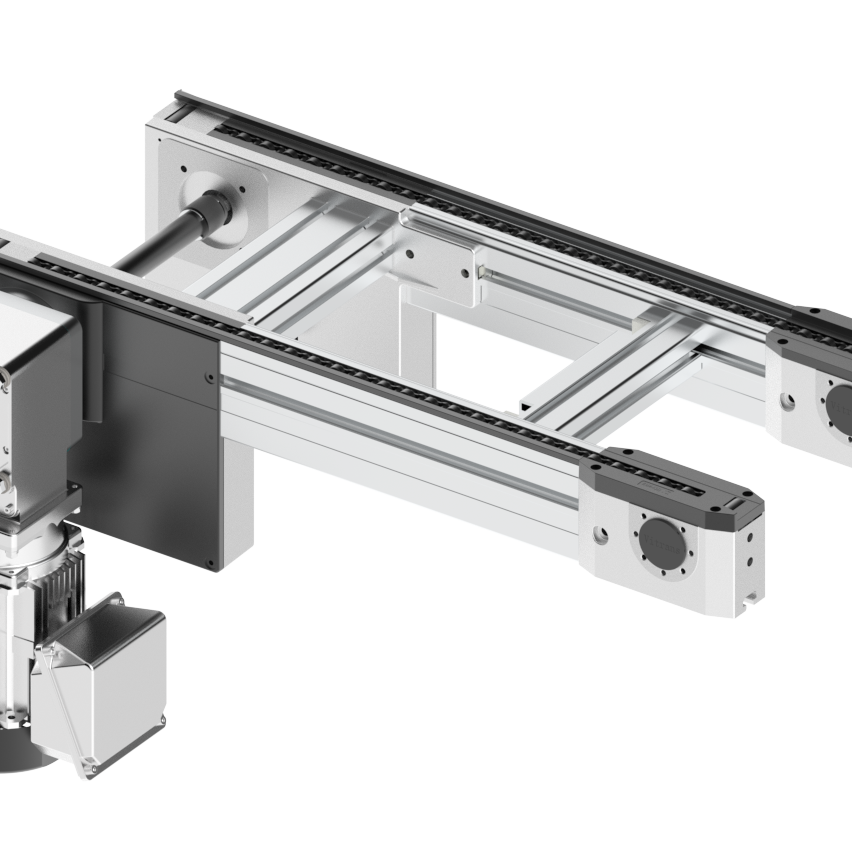
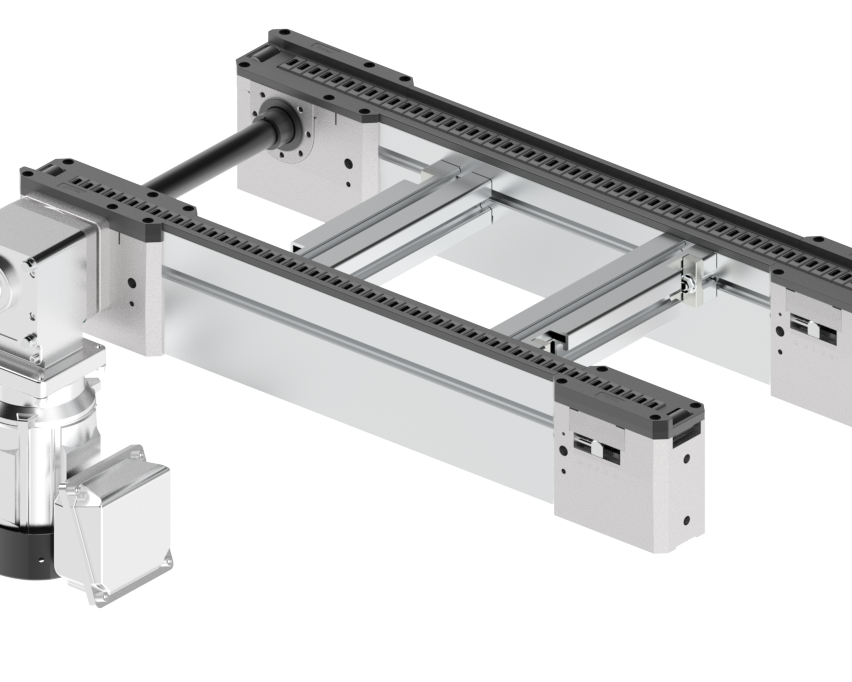
: Guide wheel flip-flop use and cold welding process
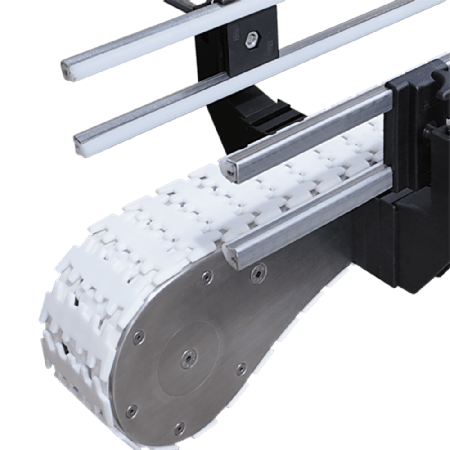
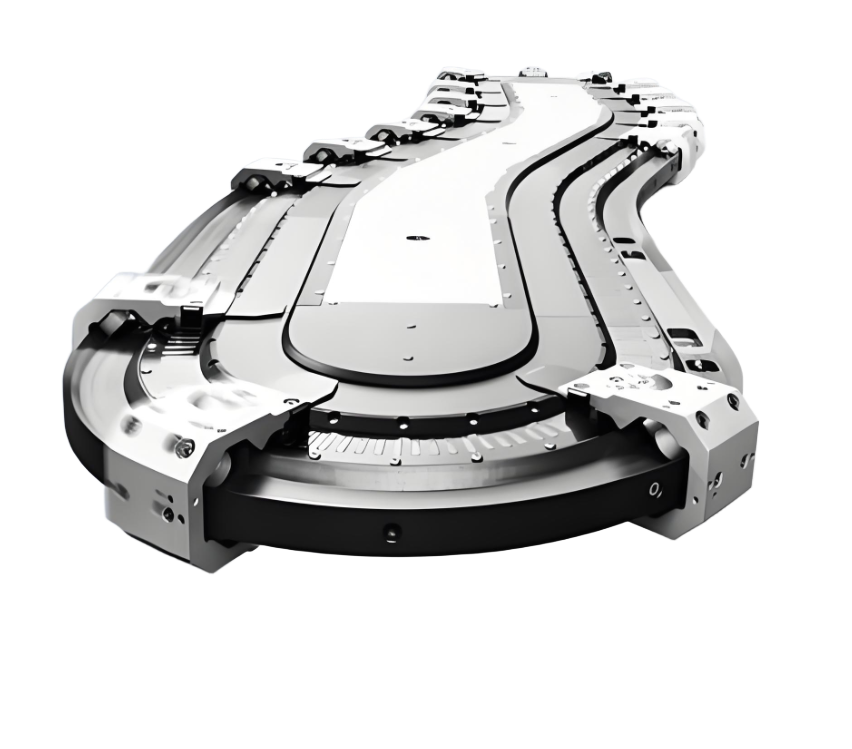
: Smart Sensing Systems and Blockchain Deposit Applications
:: On-demand lubrication strategy andcost comparisondigital