


(Beginning of the question to cut) Are you just contact with the automated production line, hear ”with cylinder automatic conveyor line” on the head big? How to choose the cylinder? What should I do if I install it crookedly? How to solve the frequent failures? Don't panic, this guide is for novice white life-saving manual, we use the vernacular to select, install, avoid the pit of the three major problems at a time to explain thoroughly!
I. What is a cylinder conveyor line in the end?
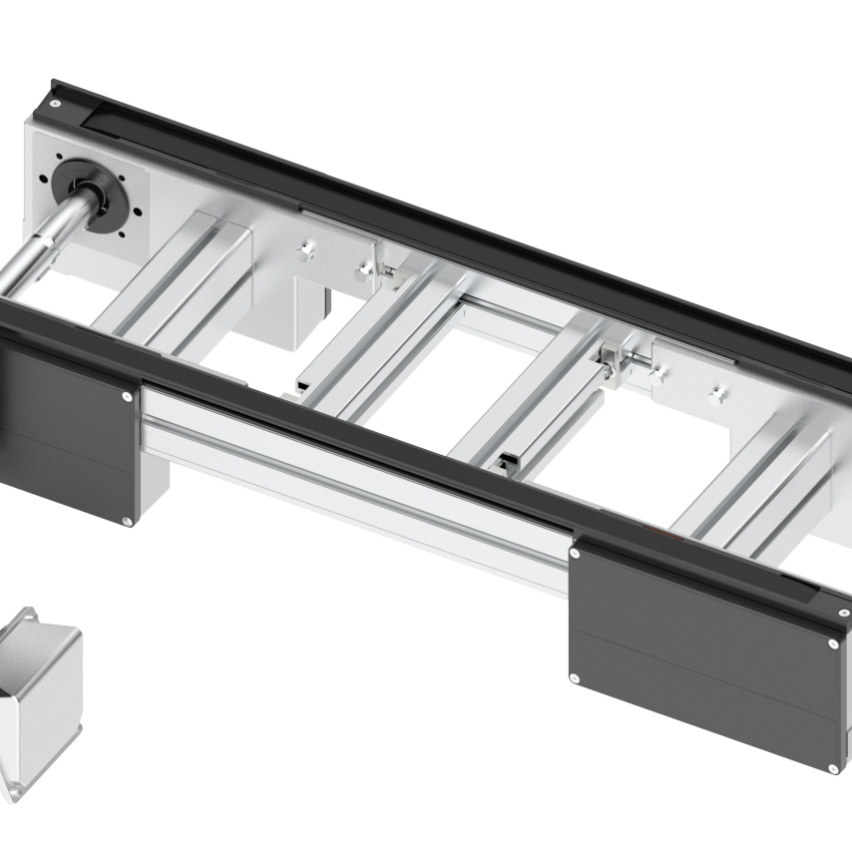
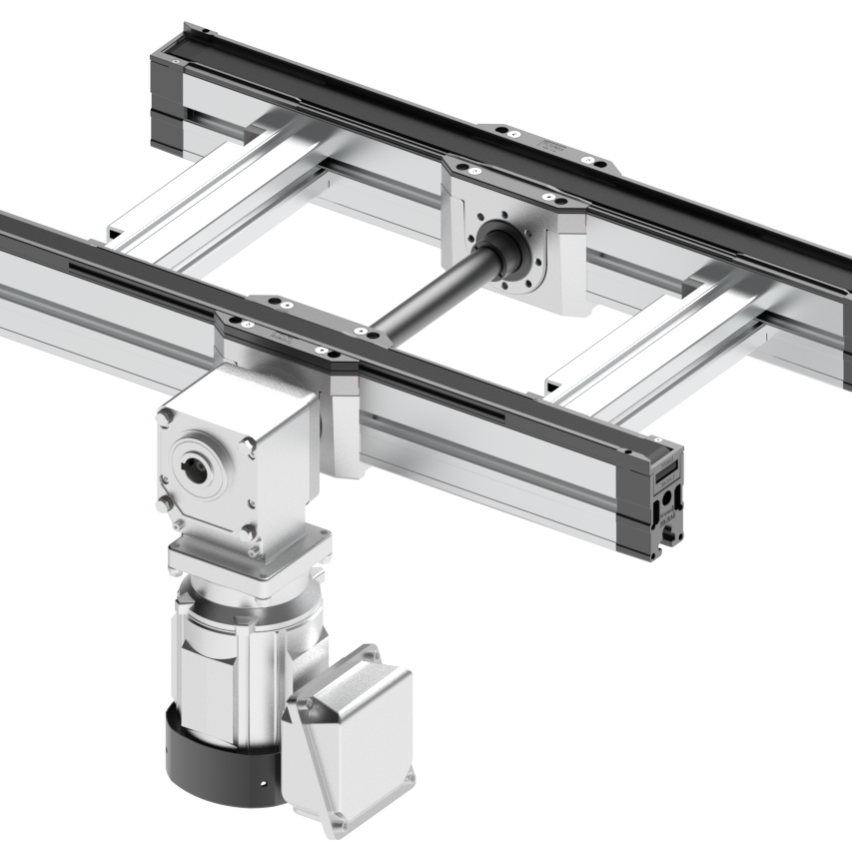
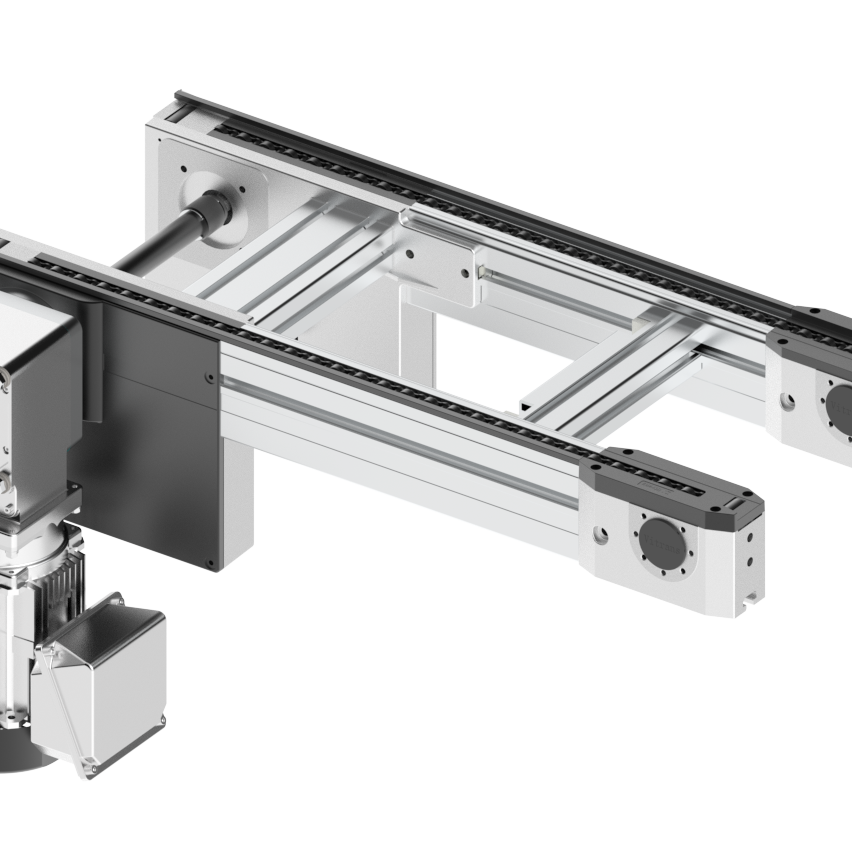
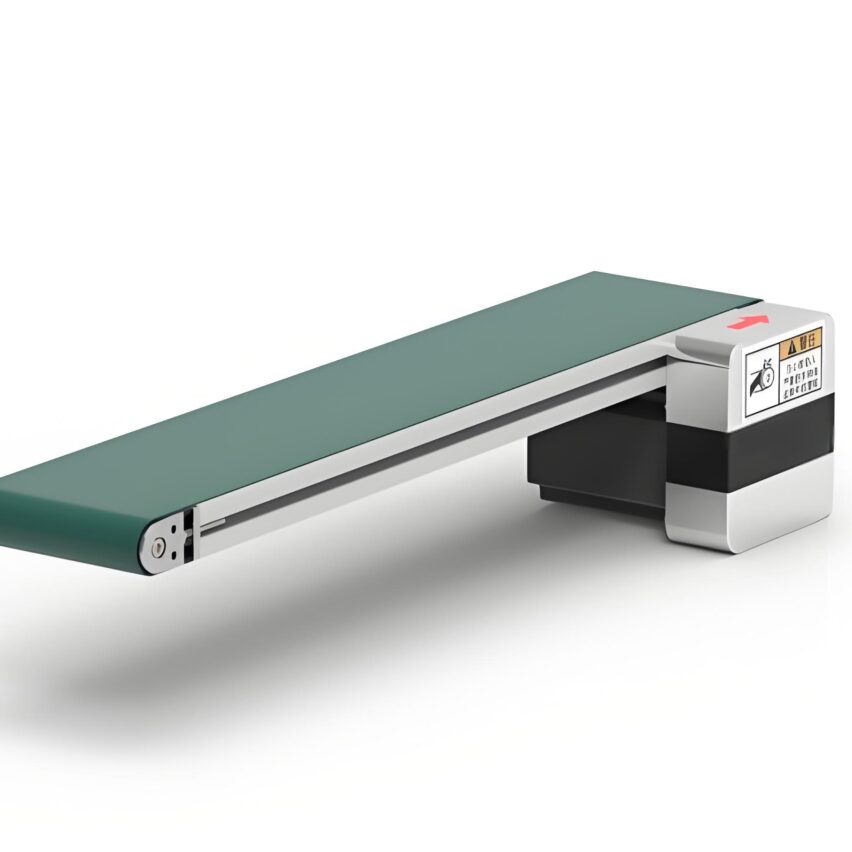
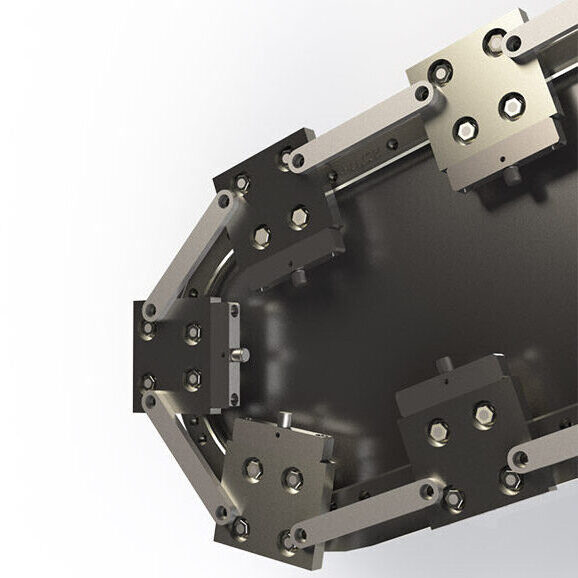
Simply put, it's a way to use theCompressed air driven cylindersIt is the most efficient way to move materials on the assembly line. For example, automobile assembly line carrying doors, food packaging line sealing boxes, all rely on it to efficiently complete the repetitive action. Its core strengths are three.Simple structure, cheap maintenance, fast responseIt is especially suitable for high-speed assembly lines.
Second, the selection guide: novices to avoid these 3 big pits
Selection of cylinders is not a mood, wrong parameters minutes to stop production! Focus on these 3 items:
| Selection factors | Newcomers are prone to stepping on pitfalls | correct handling |
|---|---|---|
| Cylinder type | Just go for the cheapest. | Set according to the movement requirements: - Simple push-pull →Single acting cylinders(spring return) - Two-way force →Double acting cylinders - Small space and long stroke →Rodless Cylinder - To rotate →Rotary Cylinder |
| Thrust/cylinder bore | Order after the theoretical load. | Actual thrust = theoretical load × 1.5 times safety factor Example: To push a 100kg box, choose a model with a cylinder bore that delivers at least 150kg of force. |
| Installation | Just fix it so it runs. | Look at the equipment structure to match: - Vertical force →flanged - High lateral force →Cylinders with guide rods(anti-piston rod bending) - Oscillation required →earring |
💡experience based on one's own blood and tears: Dusty workshops (e.g. flour mills).Dust seal must be selected! Regular cylinders go in for three months quasi-leaking.
Third, the installation of hands-on: masters do not say 5 details
You think you can just screw in the screws? These details are not done properly, light rattling, or the whole line is paralyzed!
-
Don't mess with the trachea.
- Inlet/Outlet Hosecolor coding(e.g. red in, blue out), reversed cylinders go backwards.
- The air hose is routed along the drag chain.Secure with nylon ties every 4-5cm.To avoid being ripped off by the robotic arm
-
Alignment is more important than tightening
With the cylinder installed, take a laser pointer and shine it at the connection point between the piston rod and the load:
✅tolerance (allowed error): ≤0.5mm/m
❌More than must lag(Don't ask me why! (Don't ask why, the factory repaired it 37 times.) -
Don't skip the buffer adjustment
Newbies love to ignore this step! Adjust the buffer valve first after powering up:
① Screw to the minimum position → power on and test
②A ”thump” sound is heard → Increase the buffer amount.
③ Adjust until the piston is smooth against the end point without sound. -
There are three hurdles to handling the gas supply
Directly connected to the shop air supply? Wait for the cylinders to rust and seize!
Triplex standard: Oil-water separator (water removal) → regulator (pressure stabilization) → oil mist (lubrication) -
No-load test run must be done
Don't put the material in first after loading! Run it empty for 30 minutes:- Touching the cylinder housingTemperature rise ≤45℃
- Listen to the running soundNo sharp friction sound
- look at the jointsSoapy water test without bubbles
IV. Self-questioning and self-answering: high-frequency questions for newcomers to quick solutions
(Q1) Q: What should I do if the cylinder keeps leaking air?
Answer.Check these three places first.::
① Piston rod seal (account for air leakage 80%!) →Replacement of oil-resistant nitrile rubber rings
② Pneumatic tube connector→Thread adhesive reinforcement
③ Cylinder cylinder scratches→Over 0.5mm deep directly change cylinder
(Q2) Q: What is wrong with a sudden decrease in thrust?
A: In sequential order:
1️⃣Look at the barometer.: Has the gas supply pressure dropped below 0.4 MPa?
2️⃣feel the exhaust port: Air blockage? Remove muffler to clear screen
3️⃣Check piston seals: Cylinder reset slows down if there is an internal leak.
(Q3) Q: How do I get three more years out of a cylinder?
Answer.Four words to remember for maintenance::
- Seals are replaced every two yearsDon't wait for a leak before you fix it.
- Lubricants March One Plus(Specialized pneumatic grease)
- The dust cover is broken and will be repaired immediately.
- Check the root cause of the rattle on the same day
Editor's point of view
Engage in cylinder conveying line ah, really is not money to buy expensive on the line. Our factory last year to save 800,000 maintenance costs, on the basis of three strokes.Selection of Nycker Thrust Redundancy 20%.Installation alignment takes an extra 10 minutes to calibrate.Maintenance is strictly according to the tableRemember - 90% of cylinder failures are due to human negligence. Remember - 90% of cylinder failures are due to human negligence, don't wait for a shutdown before you feel the pain!