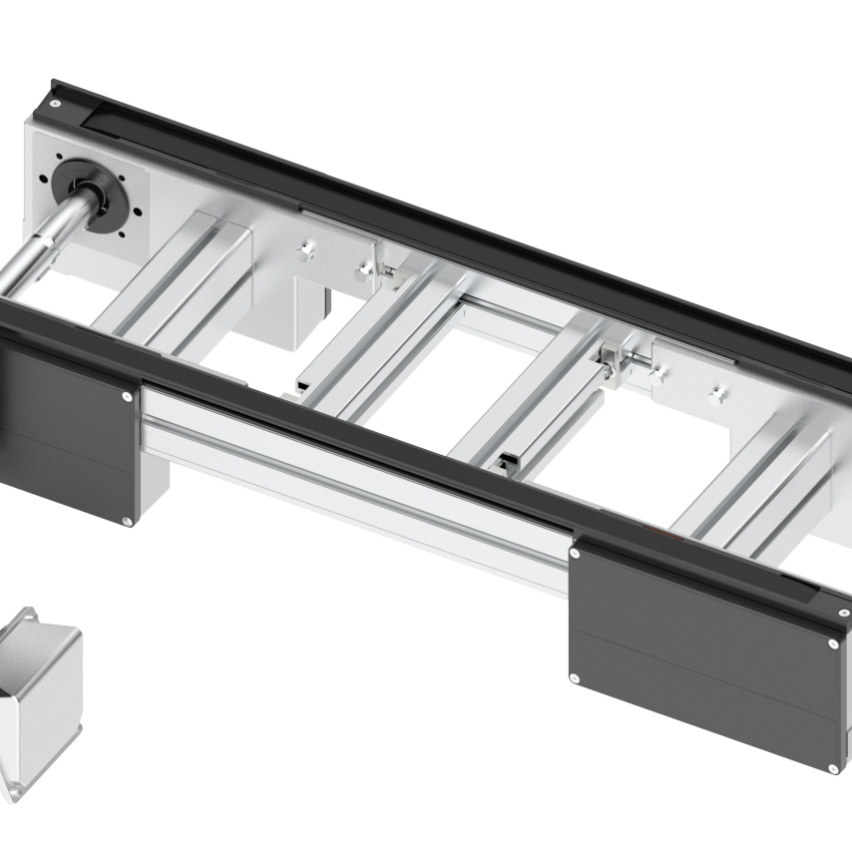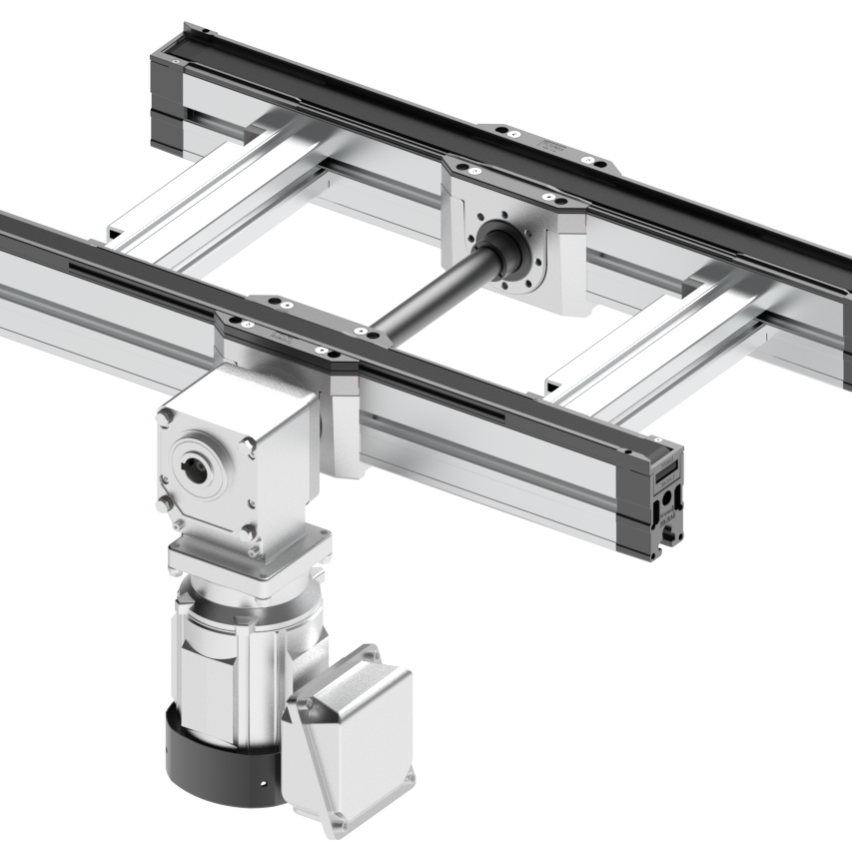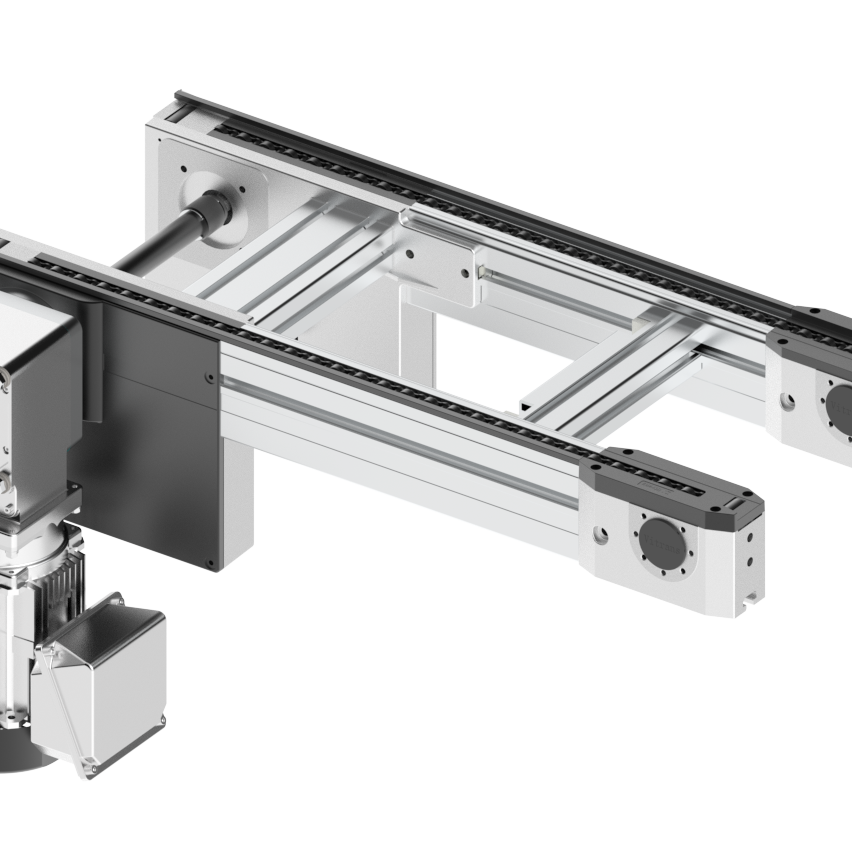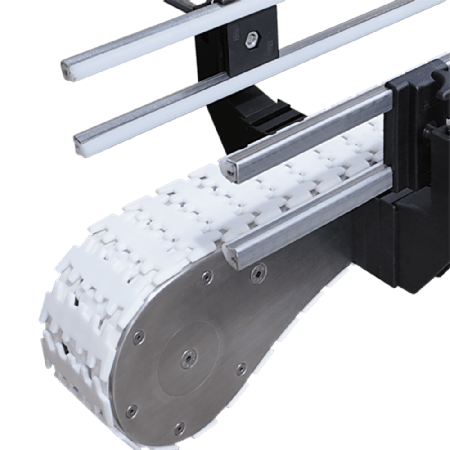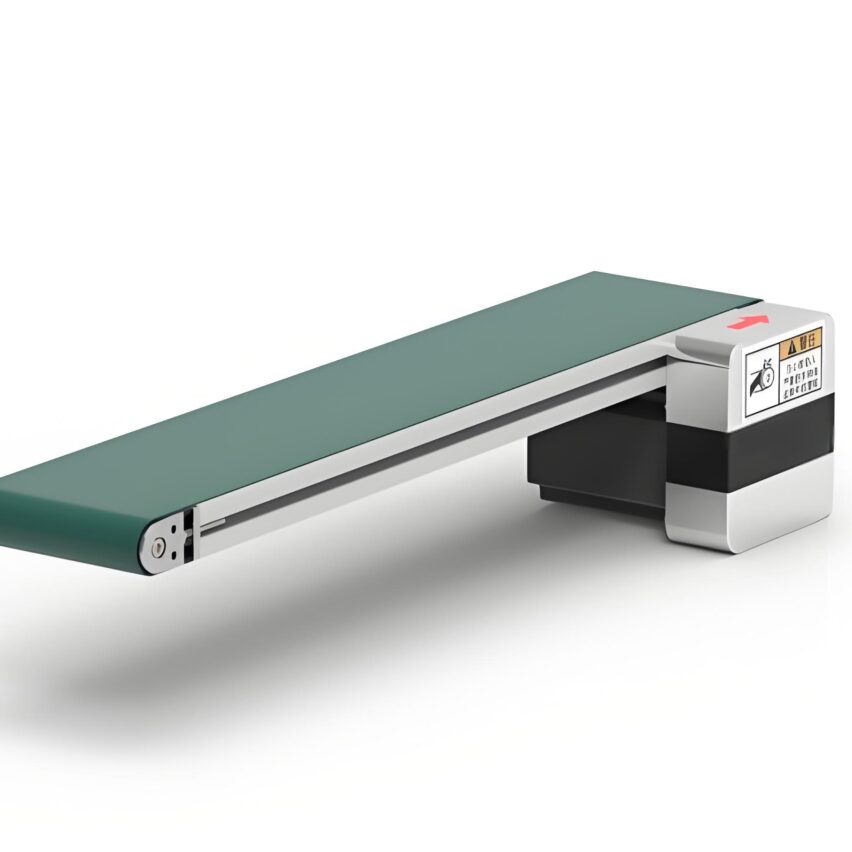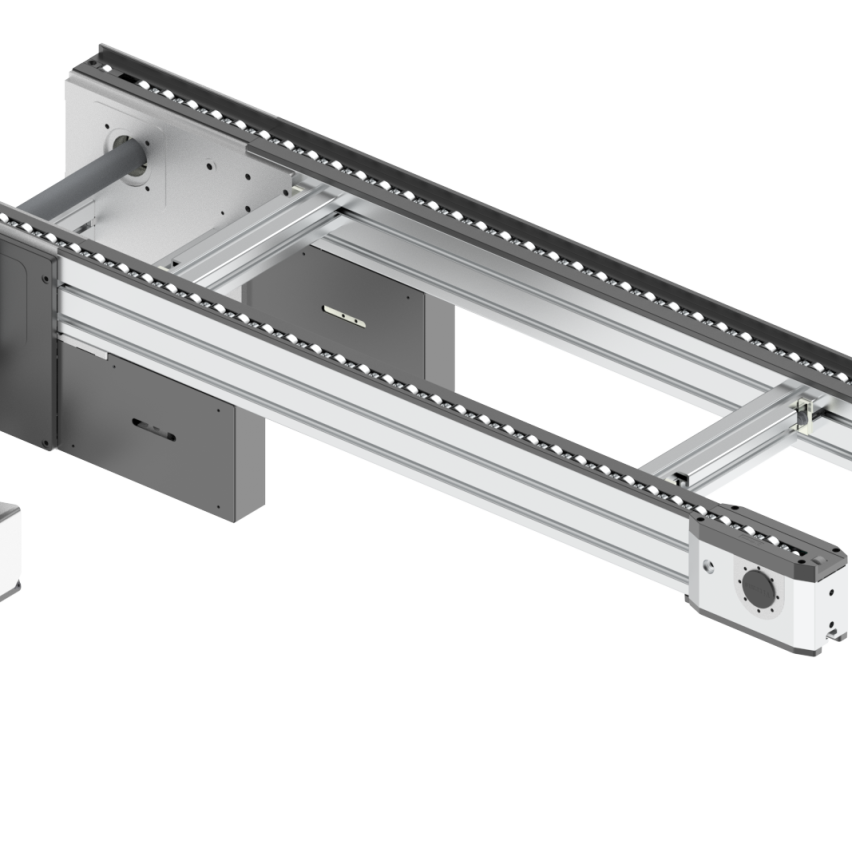



The belt line in the factory spills material when it turns a corner? Three lines converge after the run to the mother do not recognize? Do not panic! Today we will break up the rubbing talk about how to cure this “turn convergence syndrome”. I have handled dozens of production line transformation, found thatThe 90%'s spreading runout problem is actually stuck on three dead ends--I've got it all out for you today!
First, the “root cause” of the turning and spreading of the material to run off the side of the road?
Why is the straightaway steady as a dog, but the turn crashes?There are just two at the core:
- centrifugal force works wonders: Material is thrown around in a turn, like riding a roller coaster without a seat belt.
- twisted by the force: Multiple streams of material colliding together, belt pulling out of balance from side to side
A cement factory has suffered a bloody loss: after the 90° convergence of the three lines, theIt costs an extra 30,000 dollars a month in labor just to clean and spread the material.The belt life is also cut in half. What's even more infuriating--
- Running off causes wear on one side of the drum, change the cover rubber once every three months.
- Spillage triggers equipment short circuit, production shutdown and maintenance are commonplace
Second, three strokes to cure runaway: let the belt “obediently walk straight”
▶ The first move: dynamic centering roller set - belt “autopilot”
Traditional anti-skew rollers breaking the belt hard? Long gone! It's all the rage now!Hydraulic self-aligning rollers::
- Real-time laser scanner stakeout: Immediate alarm for over 5% bandwidth.
- Hydraulic cylinder actuator fine-tuning angle: Automatic deflection correction for rollers rotating 3°-5°.
- Memory Alloy Compensator: Automatic compensation for temperature difference deformation, no swinging in winter and summer
real-life example: A coal mine installed 1 group every 20 meters in the turning section.Run Rate Direct 76%I don't need a wrench chasing after me anymore.
▶ The second move: the inner curve elevation method - physical anti-dumping “high-speed curves”
Learn the highway! Take the turnpike.Inside rollers raised 3°-5°., forming a natural centripetal force:
| conventional flat bed | Scientific Lifting Program |
|---|---|
| Turning radius from 5m | Minimum pressure to 1.8m |
| Materials flying all over the place | Spreading reduction 80% |
| Roller spacing 1.2m | Encrypted to 0.8m anti-collapse waist |
⚠️Key parameters: Lift angle > 5° will roll over! Must be coupled with encrypted rollers
▶ The third move: the drop point “three-point positioning method” - the end of the confluence of chaos
Is it easiest to spill material when three lines intersect? Remember this.Golden Triangle Rule::
- Guide chute extended to 2/3 of the beltAvoiding material “jumping off the train”
- Cushioning rollers with 12° forward tiltIt's like a slide to catch the downwash.
- Side baffle plus polymer linerNo sticking to walls even with wet feed (60% reduction in sticking measured at a feed mill).
Third, anti-spill material black science and technology: to the belt wear “invisible raincoat”.”
Blocking fabrics always blowing away?Try this patented design trick:
- Bent Hook Fixed Rod Pocket: not tipped over by force 8 winds (the winds in the test video didn't budge)
- Leave 5mm dynamic gap at the bottom: Belt swings without scraping
- Abrasion-resistant silicone skirt: lasts 3 times longer than ordinary canvas
Tougher factories go straight onGas Seal Technology--Blow compressed air in the baffle sandwich to form an air curtain barrier. Dust? Want to escape? No way!
Fourth, the teacher's private maintenance techniques
Don't wait for the sprinkler to be serviced!Save $20,000 a month on maintenance with these three tips:
- “Listen, feel and see”.::
- Listen to the rollers' noise (precursor of bad bearings)
- Feel the temperature of the drum (over 65 ℃ hurry to check)
- Look for belt edge wear (repair immediately if ruffles appear)
- Dynamic monitoring of tensioning force::
- Sag at no load <2% bandwidth
- Motor current fluctuation under heavy load<15%
- “Repair for Replacement” Tips::
- Partial cover repair of the drum saves 80% compared to a complete replacement.
- Fill Belt Cracks with Rubber Repair, Extend Life by Six Months
A final word of caution.::
Fifteen years on the conveyor line, seen too many factories.Spending a lot of money on new equipment but neglecting basic tuning. Actually, yeah.Turning convergence section to save every power, every ton of material, are keyed to the details of the key out of theThe next time you encounter spreading deviation. The next time you encounter spreading deviation, do not scold the equipment - take a level meter to measure the parallelism of the roller, maybe 2mm error is the culprit! After all, even the best knife has to be sharpened, and even the best equipment has to be adjusted, don't you think so?