


Hey! You automated production lines, have you ever had to deal with this kind of frustration?Spend a lot of money to buy the conveyor line, use either can not carry goods or slow as a snail!🤯 Don't panic. 🤯 Don't panic, let's break it down and talk about it today!Ring guidecartConveyor Line SelectionThe two most damning parameters in theLoad and BeatI don't know. If you don't understand these two things, the equipment is just going to sit in the dust!
🔍 I. First things first: what the hell is this thing?
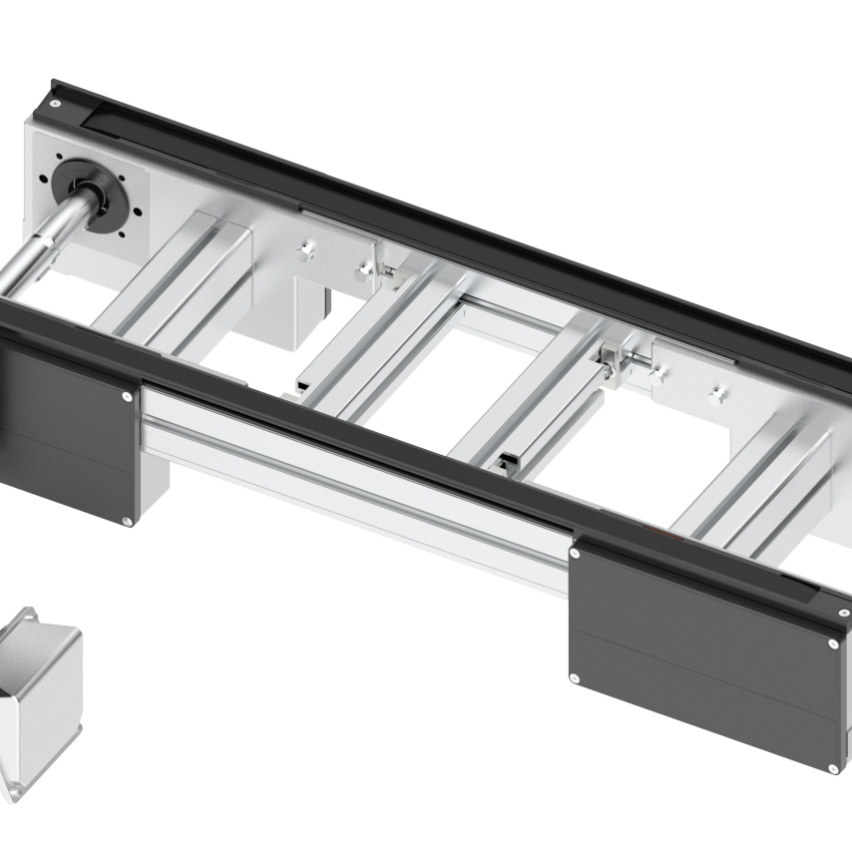
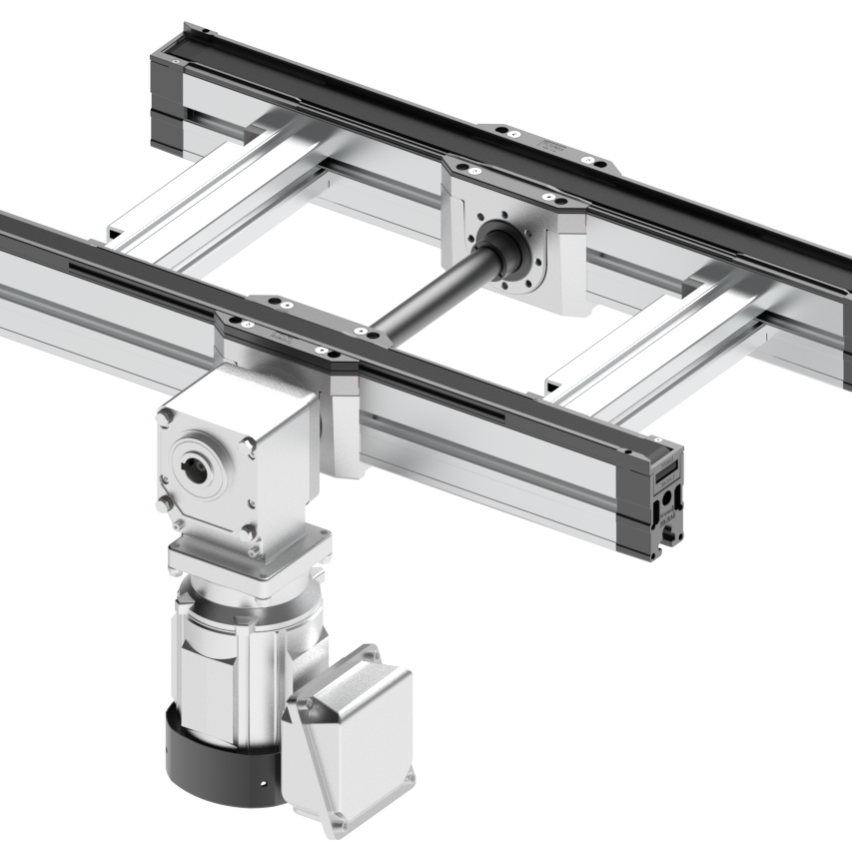
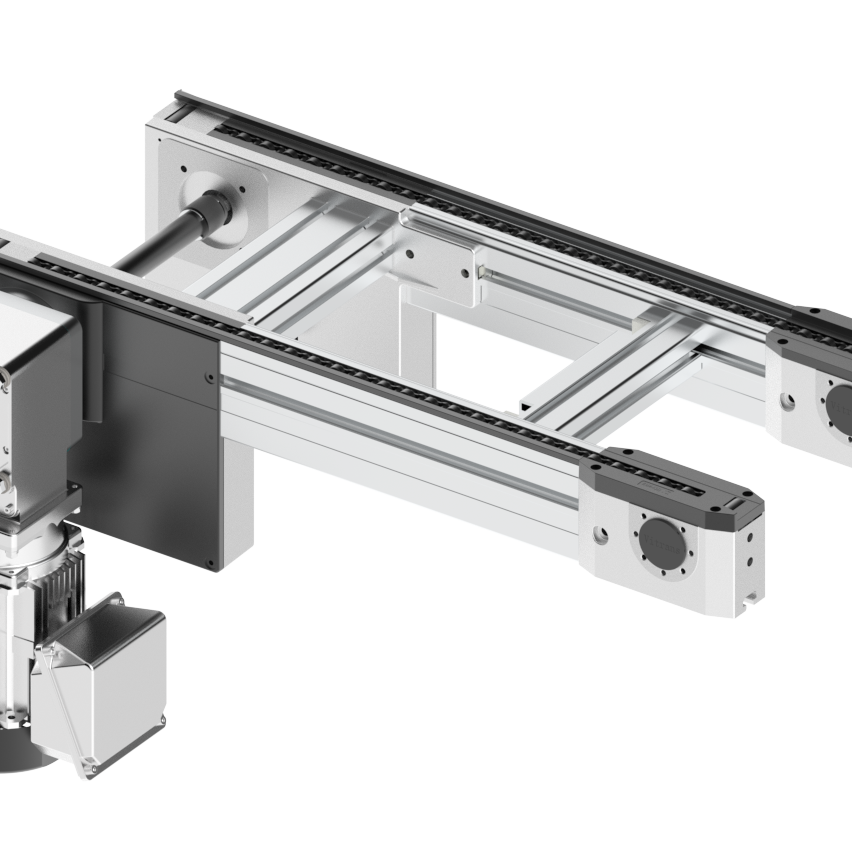
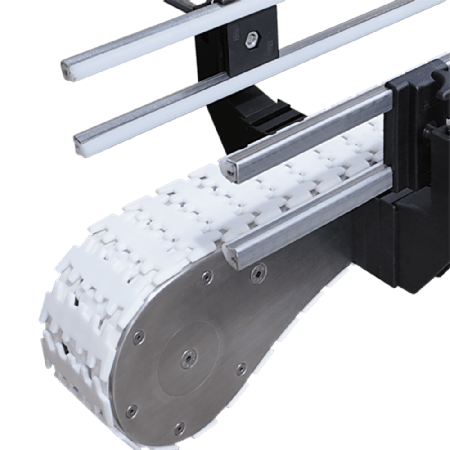
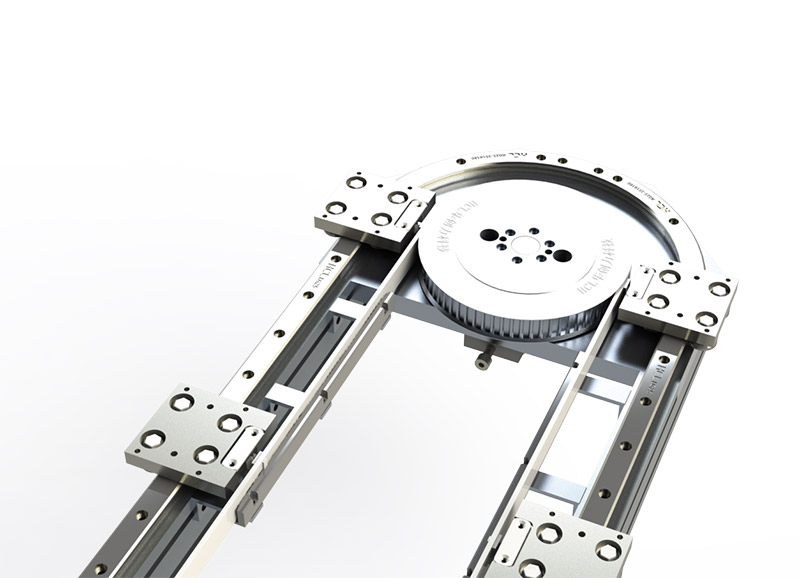
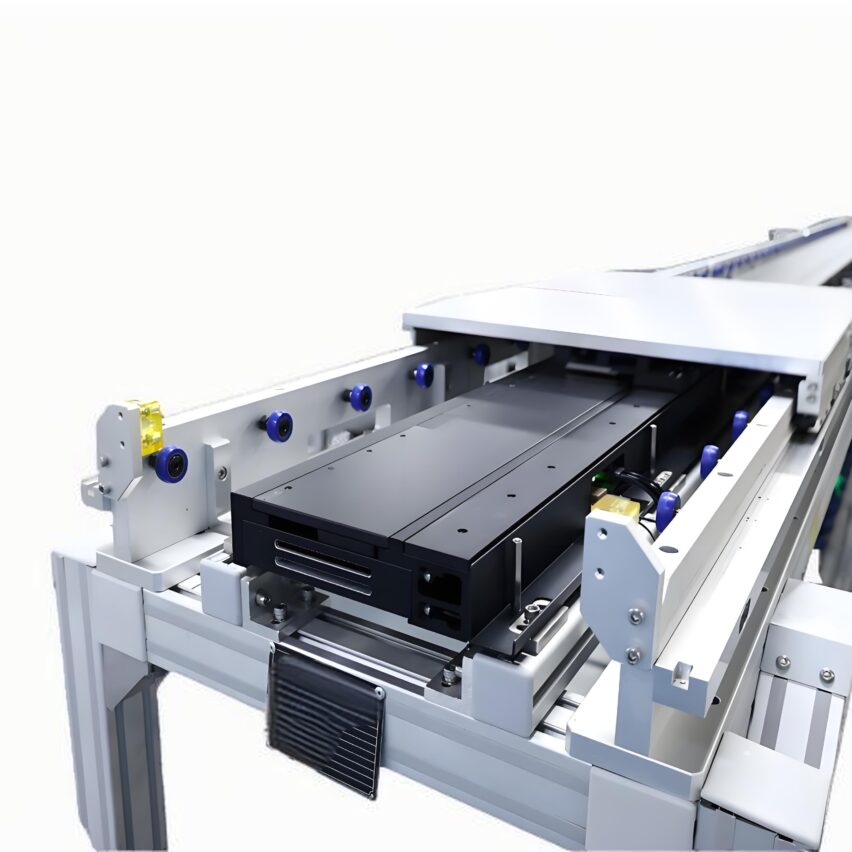
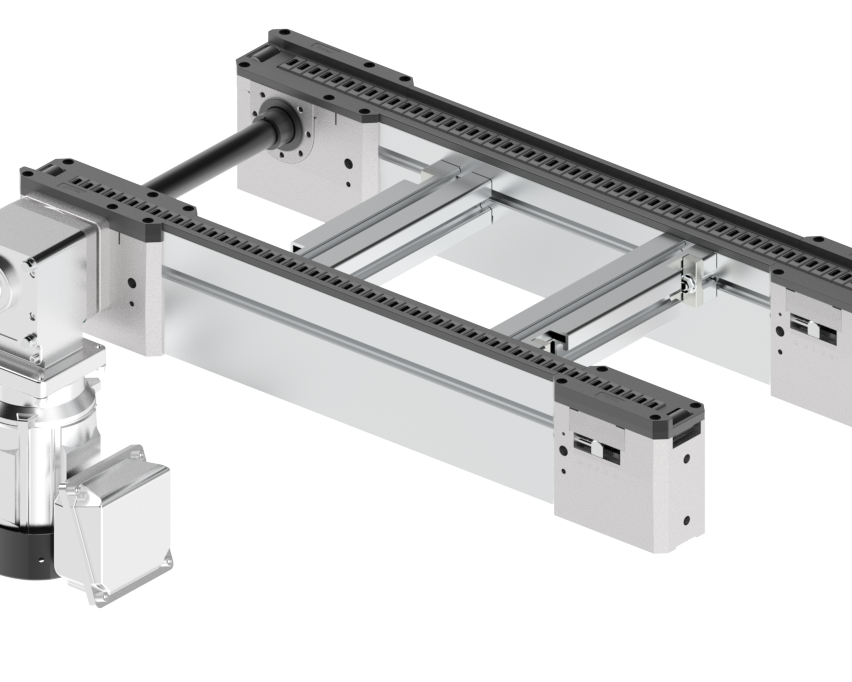
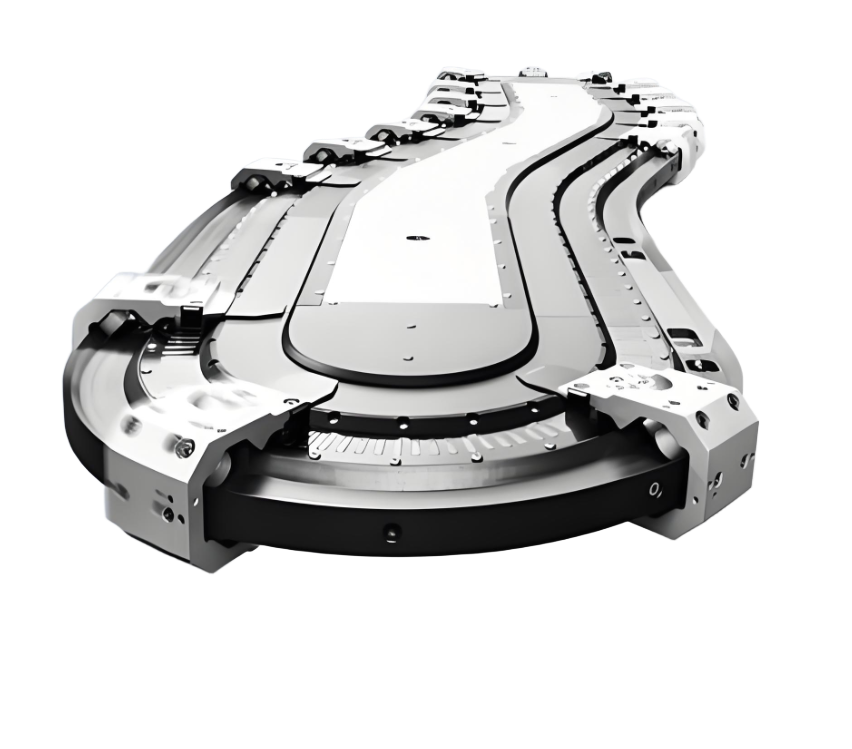
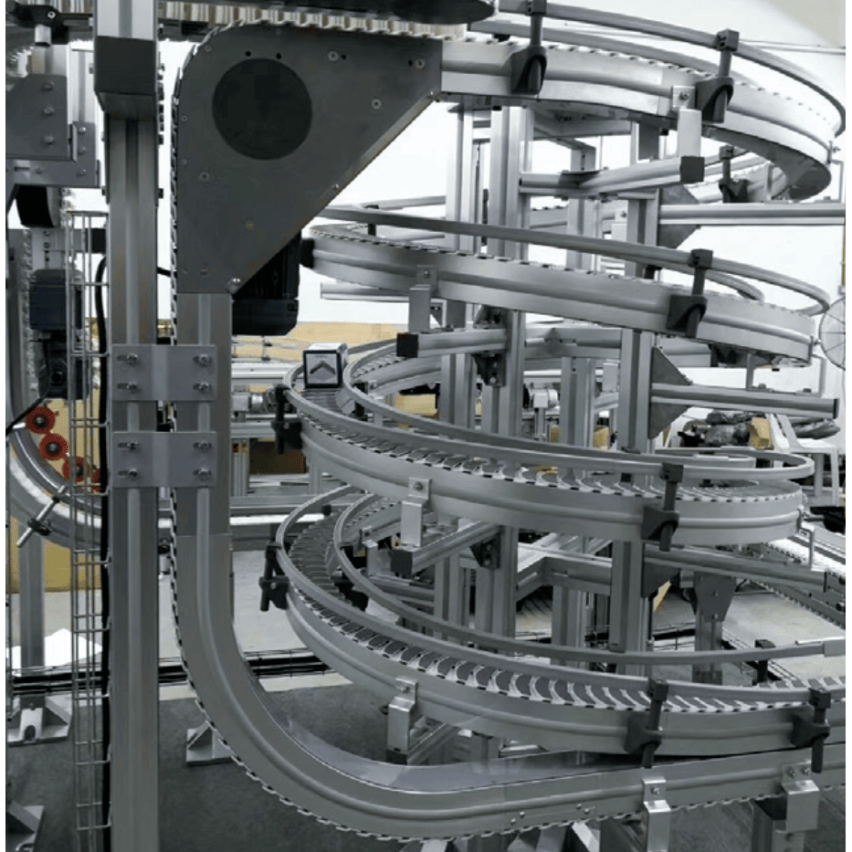
Ring-guided cart conveyor lines, to put it bluntly, arePrecision rail systems that keep materials running in circles on the assembly lineIt relies on a slider (that's what you call a “trolley”) to move the workpiece on a circular track. It relies on the slider (that is, you say "cart") with the workpiece in the circular track circular movement, where to stop where to do, especially suitable for the need for multi-station processing assembly line (such as cell phone assembly, automotive parts processing).
To give a grounded example: you imagine thatrevolving belt sushi restaurantof conveyor belts, but with more precision, the ability to carry weight, and still stop precisely in front of the chef - yes, ring guides do the job! 🍣→⚙️
⚖️ II. Load: How “heavy” is your cargo?
Selection of the first pit.underestimate the load! A lot of people think “I'm just a few kilograms, just choose”, but the equipment shakes to a sieve when it runs. Load is not just about weight! It has to be disassembled:
- vertical load: Real weight of workpiece + fixture (e.g. 10 kg)
- radial load: Lateral forces from workpieces placed crookedly (e.g. reaction forces when screwing)
- Offset torque👉 [Fatal detail! The workpiece is not placed correctly, resulting in “twisting” of the slider (e.g. the center of gravity is 50mm off the center of the slider, which immediately generates additional torque).
- the external forces at work: Pressure generated during processing (e.g., 500N force from a stamping press)
📌lesson learned through blood and tears: If the workpiece is “top-heavy” or “crooked”.Auxiliary support brackets must be addedOtherwise, the guideway will be deformed and scrapped in minutes! Otherwise the guideway will be deformed and scrapped in minutes.
✅universal formula:.Actual load = (workpiece weight × safety factor) + external force(Safety factor generally taken as 1.5~2)
⏱️ III. Beat: How “fast” do you want your line to run?
The beat is not “how fast you run”, it'sTotal time for “running in place + stopping + working”What's that? A lot of newbies ask “How fast can I go?”. and end up ignoring key details:
| parameters | synchronous belt drive | chain drive | rod drive |
|---|---|---|---|
| load capacity | ≤15kg (light load) | ≤50kg (heavy duty) | ≤30kg (medium load) |
| travel time | 0.1~0.8 seconds | 0.3~0.8 seconds | 0.5~0.8 seconds |
| position accuracy | ±0.1mm | ±0.05mm | ±0.05mm |
| Applicable Scenarios | Cell phone patches, food packaging | Automobile chassis, home appliance painting | Chip packaging, medical devices |
📢soul searching: Where are you stuck on the beat?
- slow-moving? Probably didn't choose the right transmission method (hard on the timing belt for heavy loads, straight to turtle crawling) 🐢
- unsteady? Positioning mechanism too weak (cylinder positioning ≥ 0.5 sec, servo positioning ≤ 0.1 sec)
- hold back one's workWhat? It's useless to change the equipment when the processing time is exceeded!
✅the beat equation (math.):.Total beat = movement time + positioning time + machining time
⚠️ Remember.The larger the load, the slower it moves!If you want to run 10kg in 1 second, synchronous belt is barely enough; if you want to run 50kg, chain drive will take 0.8 seconds.
🧩 Fourth, load & beat how to “match CP”?
These two aresee-saw relationship! You want to carry it fast? You'll have to pay more! But we can optimize it this way:
-
Light load high speed scene(e.g. electronic patching):
- Select synchronous belt drive, saving money and quiet (noise <60dB)
- flirty trick: Double your efficiency by running side-by-side with twin rails!
-
Heavy Duty Medium Speed Scene(e.g. automotive welding):
- Closed-eye selection of chain drive, carrying the creation of oil-resistant
- Rollover prevention focus: The chain must be lubricated regularly! Otherwise the accuracy will plummet after wear
-
Precision Assembly Scene(e.g. chip packaging):
- Linkage drive YYDS! ±0.05mm accuracy steady as an old dog!
- consideration (in share dealing): Expensive! And only fixed-pitch workstations
💡real caseA new energy battery factory loaded cells, the original use of chain drive (load 30kg, beat 2.5 seconds), and then the tooling to reduce the weight of 5kg to replace the linkage drive, the beat reduced to 1.8 seconds -Save 7 seconds a line to make an extra 3 million a year!
🚀 V. Exclusive guide to avoiding the pit (the boss won't tell you)
- Don't believe the “maximum load” gimmick!! The manufacturer's label of 50kg is ideal (workpiece placed correctly, no vibration), theThe actual use of 70% is considered safe.
- It's the environment that's the invisible killer.::
- Dusty workshop → Select enclosed chain or synchronous belt dust cover
- There is oil corrosion → stainless steel material guide rail arrangement on the
- Spatial layout determines life and death::
- Short plant? Vertical installation saves space, butYou can only work on one level.(Upper workstations are obsolete)
- Large space? Run long lines on elliptical rails, squeeze stations on rectangular rails
💎 A final word of caution.
Choosing a ring guide is like looking for a date-Just look at the “face value” (parameters) can not, we must look at the “life” (the actual working conditions) is not suitable!Next time you come across a salesman who says, “I'm the fastest and the best”, just ask him three times! The next time you come across a salesman who brags about "my fastest and most powerful", just ask him three questions in a row:
1️⃣Can I run a workpiece with a 30mm offset load?
2️⃣Is it okay to bring 2 seconds of processed total beat down to 3 seconds?
3️⃣How many years will a workshop full of grease last?
Can't answer? Get another one!
(Data speak: an automobile factory measured, chain drive guide under full load for 1 year, positioning error from ± 0.05mm up to ± 0.1mm -)Those who know what they're doing have already allowed for precision degradation.!!!) 🔧