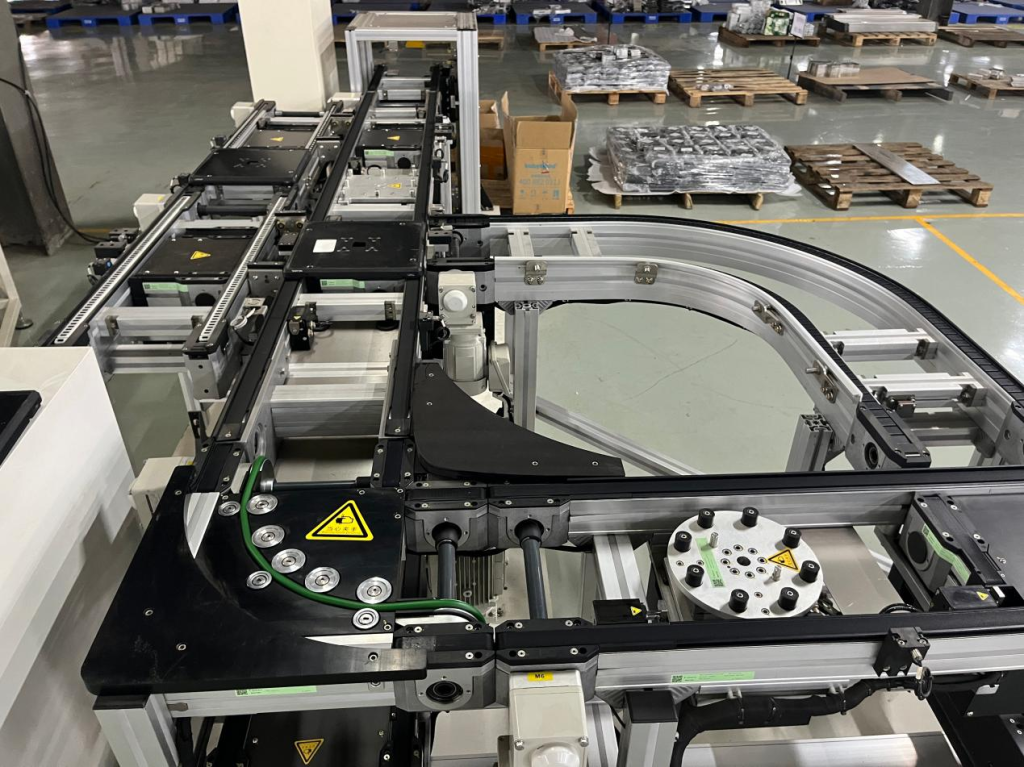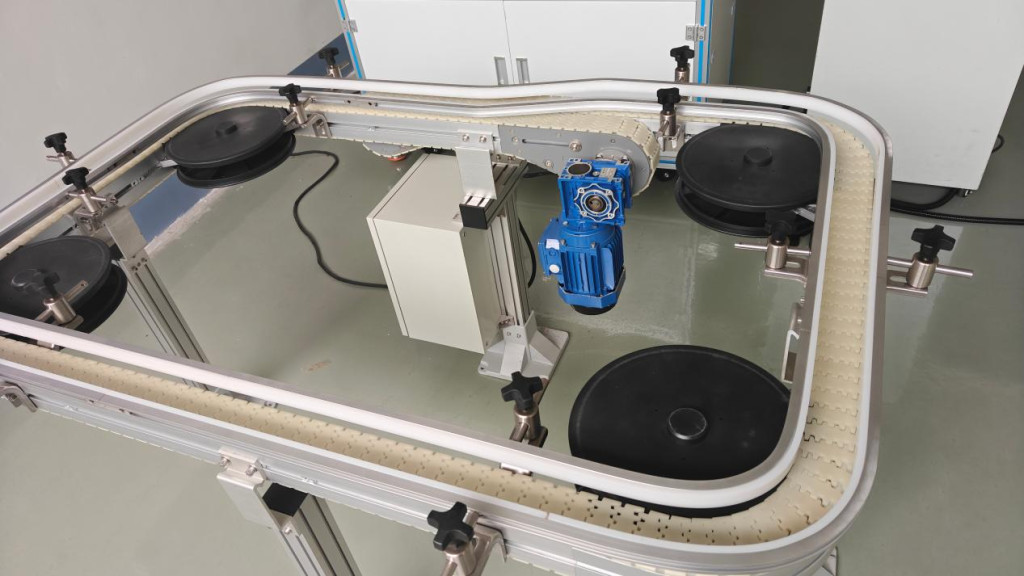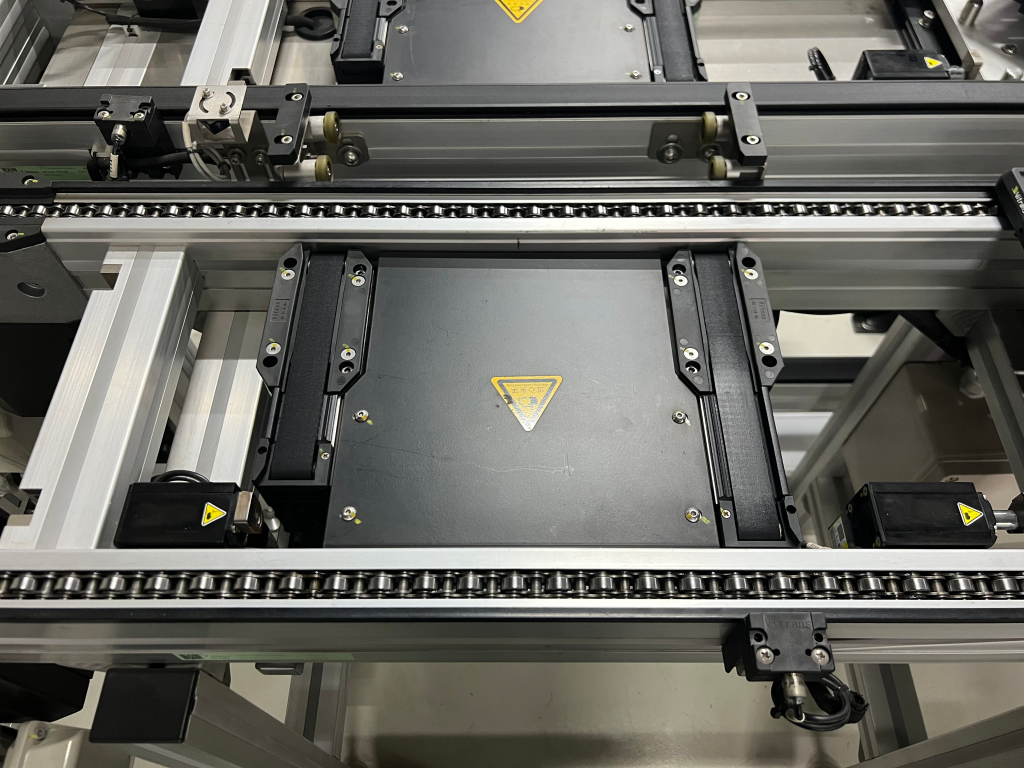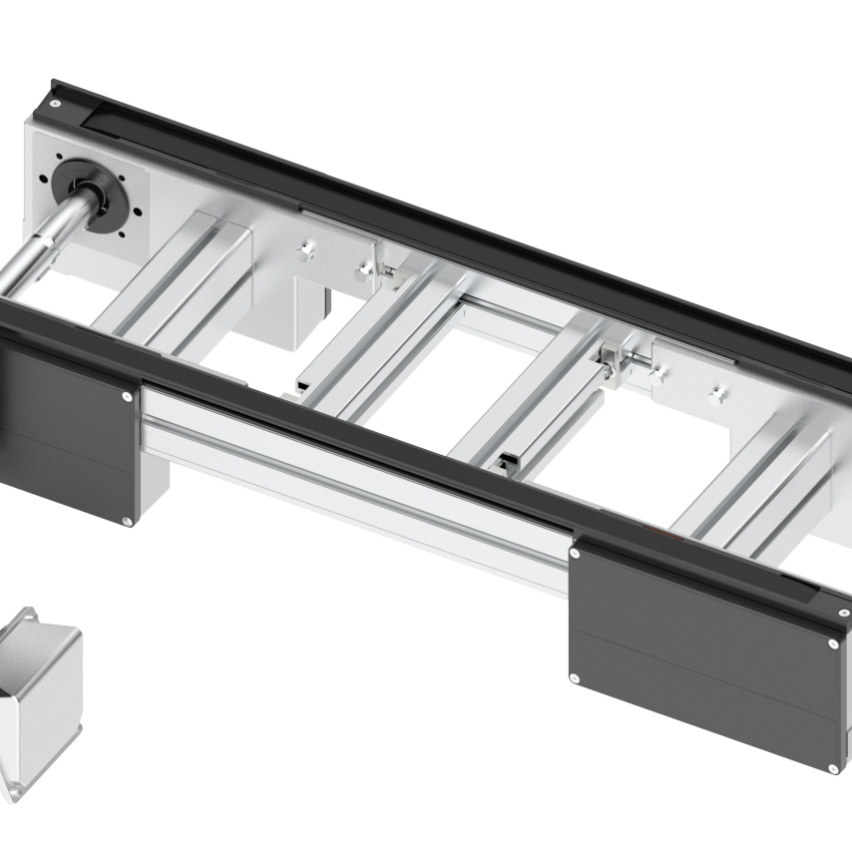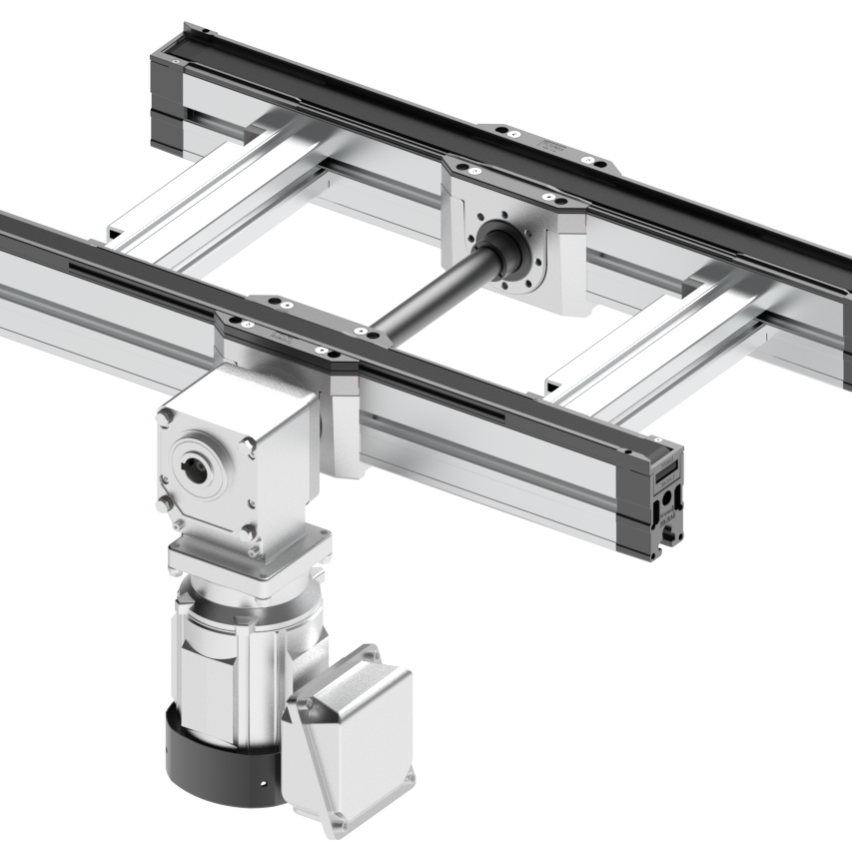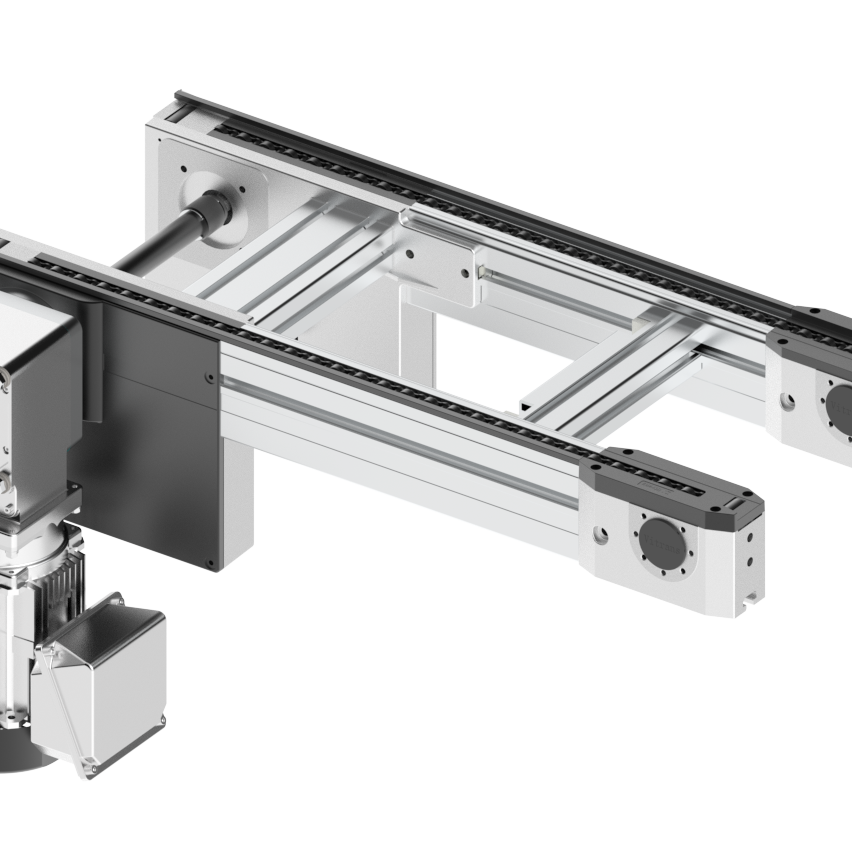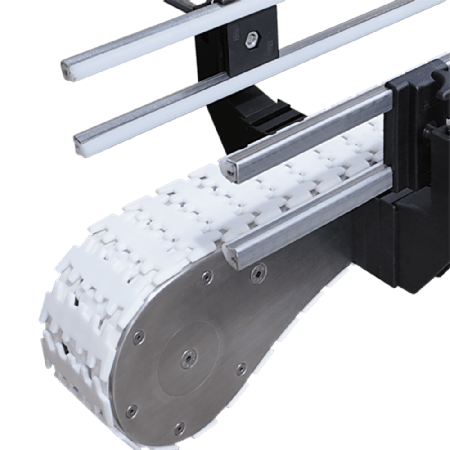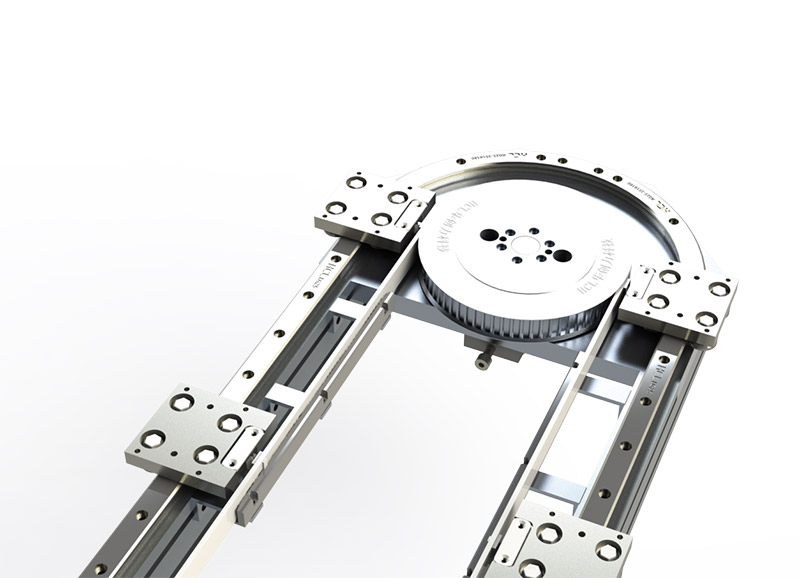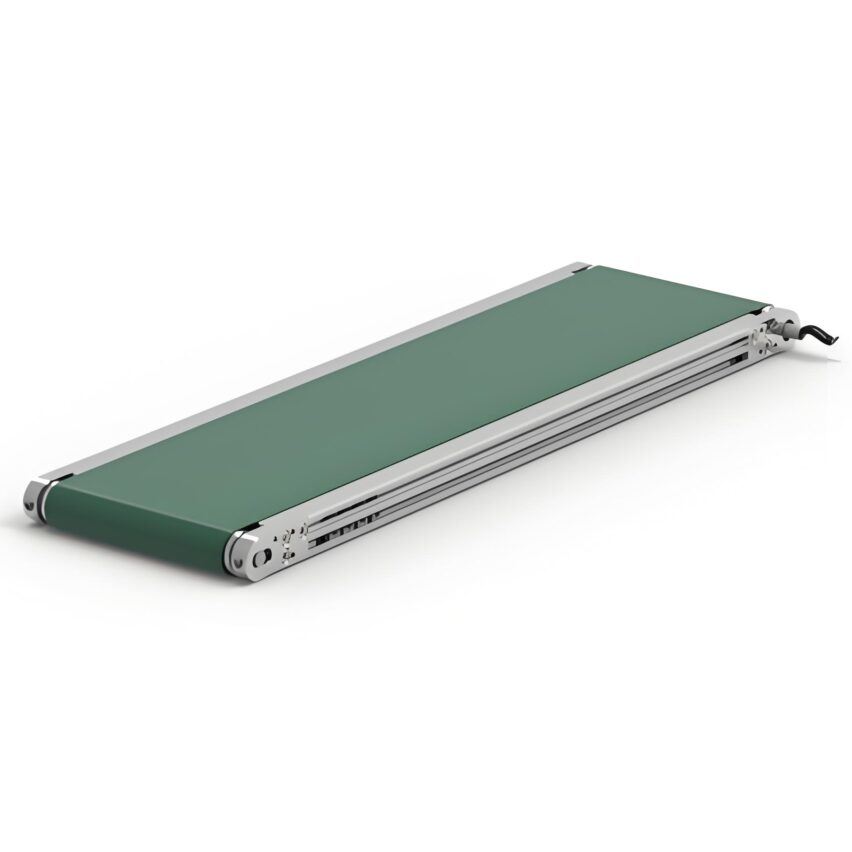



In industries such as 3C electronics, food processing, and automotive manufacturing, thebelt conveyorIt is the key link of production flow. However, there are many models, different parameters, improper selection can easily lead to low efficiency and high loss. Today, we will use a question and answer form, disassemble the preparatory work and precautions before selection, to help you accurately match the needs.
One,What material core information needs to be clarified before selection?
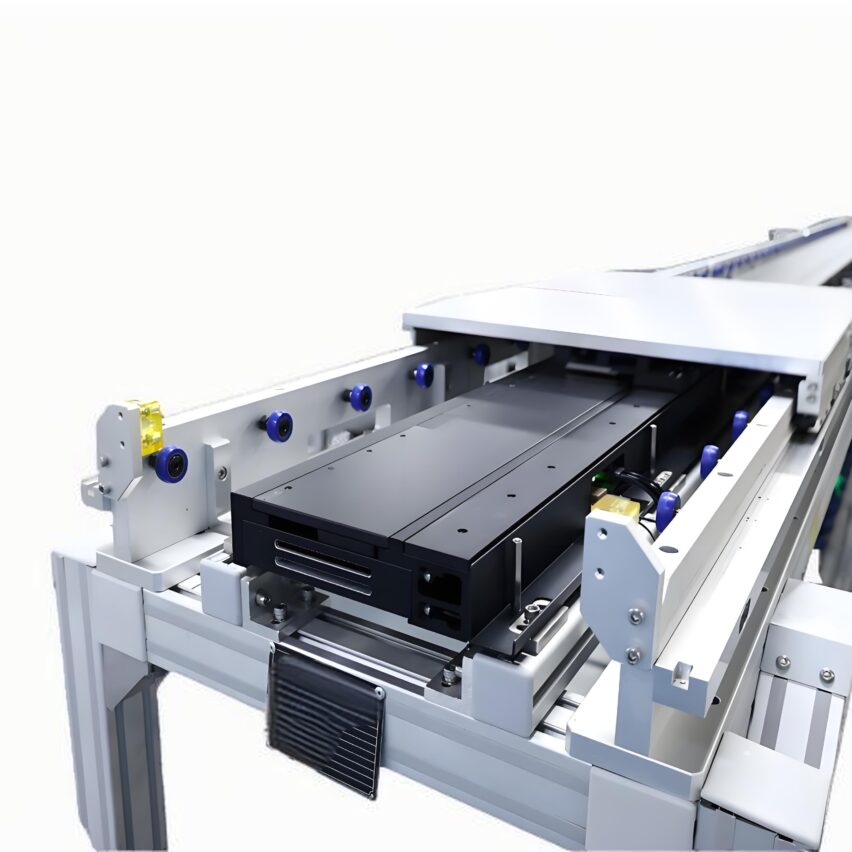
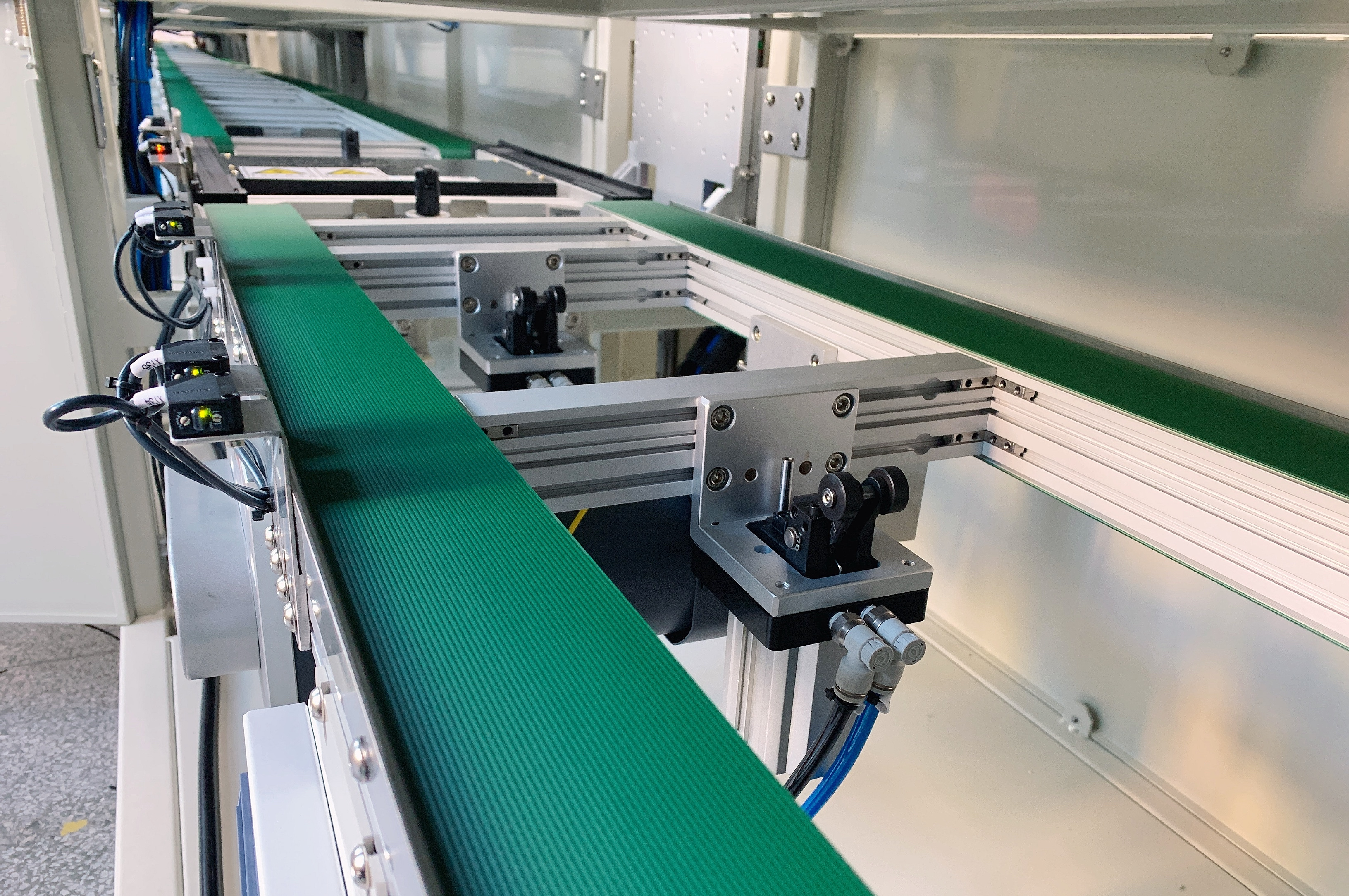
1. Material weight:Light load (0~10KG) such as chips, jewelry, optional narrow belt single column type or visual backlight type; medium load (0~20KG) such as food sorting, priority wide belt baffle customized type; heavy load (0~100KG and above) such as fixtures pallet, auto parts, optionalgenerously sized beltBuilt-in motor type or narrow belt double row type.
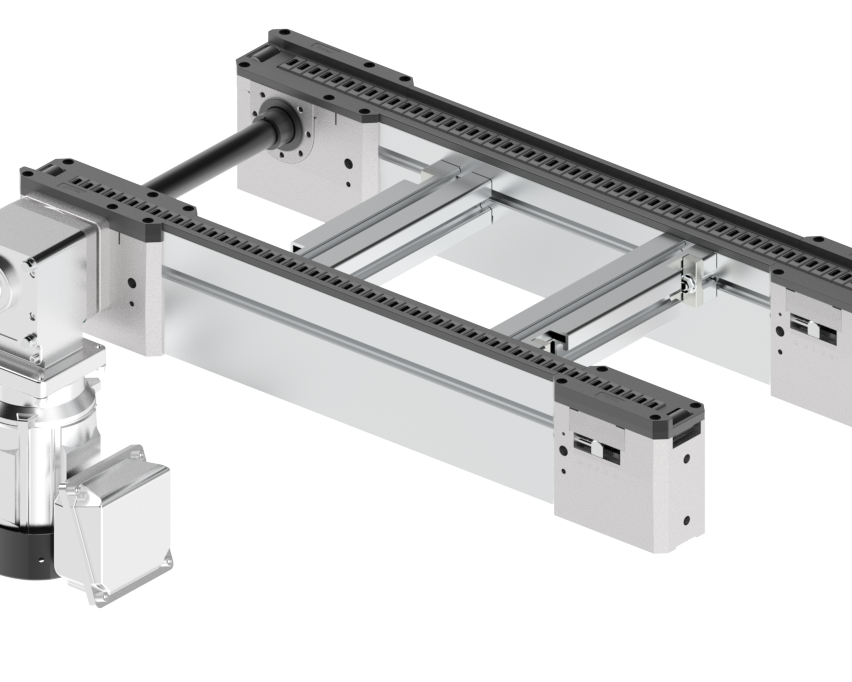
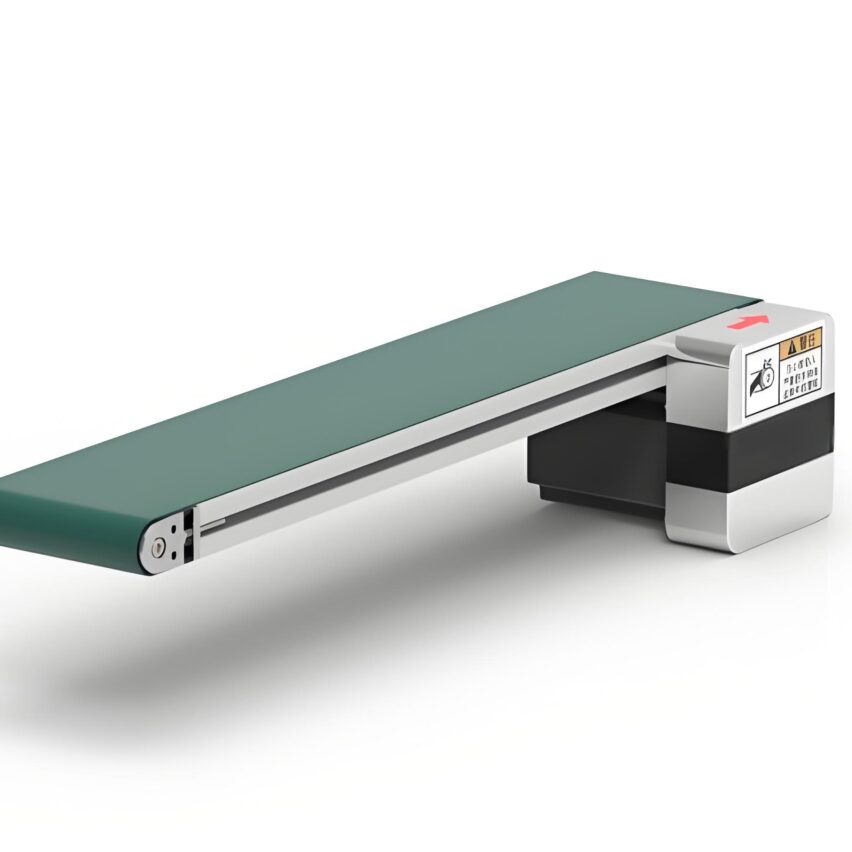
2,Shape and size:Micro parts (watch parts, electronic components) are suitable forbelt conveyorNarrow belt single-row type; pallets, panels (photovoltaic panels, glass) recommended narrow belt double-row type; need to differentiate between categories of materials (food, daily chemicals) to adapt to the wide belt with customized baffle models.
3,Nature of material:Direct contact with food needs to be customized food-grade belts; easy to wear, corrosive materials to focus on belt material suitability; afraid of scratching the product (photovoltaic panels) preferred rubber material of the double-row type.
Two,What needs of the production chain affect the selection?
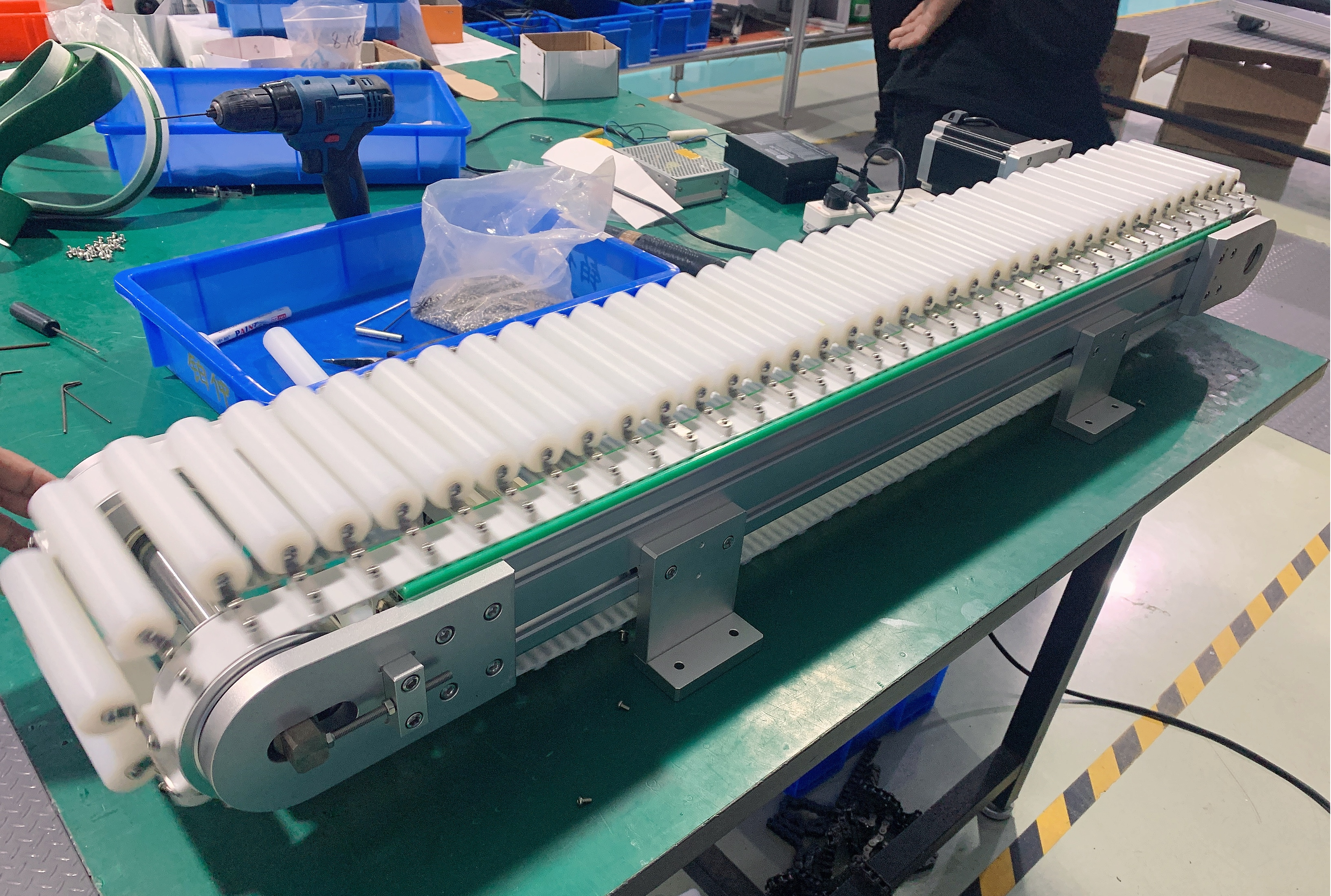
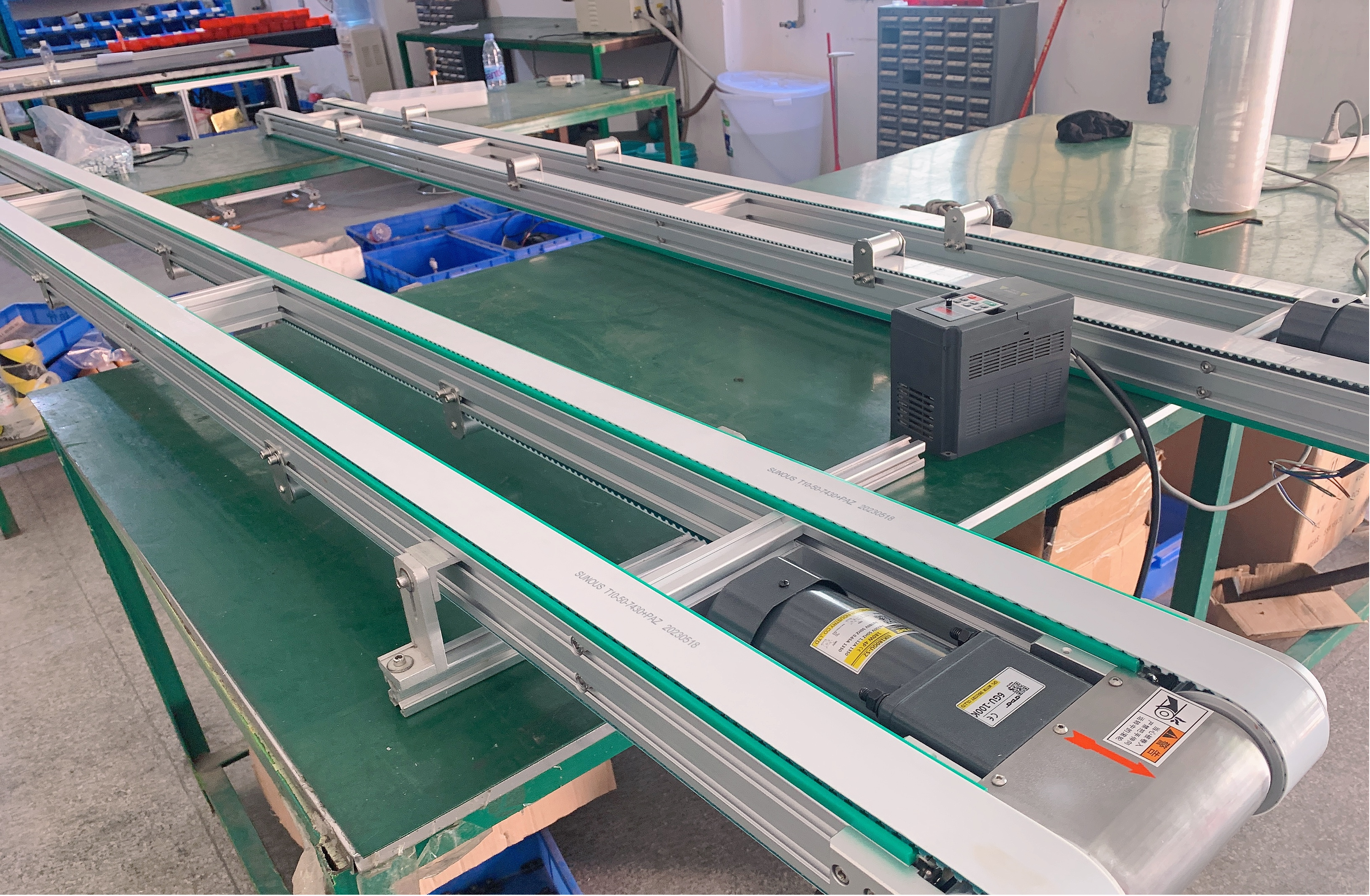
1. Conveying efficiency:Large production capacity, the need to enhance the unit time conveying capacity, the selection of theNarrow Belt Double Row Type(Double-row structure doubles the conveying capacity); small batch precision conveying, single-row type can meet.
2,Positioning accuracy:For watch making, jewelry processing and other scenes that require precision positioning, give priority to the narrow belt single-row type (noise reduction by tooth surface patch and precise positioning); for the conveyance of fixture trays and electronic plug-ins, choose the narrow belt double-row type (high precision and high efficiency at the same time).
3. Special craftsmanship:Required for in-conveyance inspection (e.g., electronic component appearance, part defects), mandatoryWide Belt Visual Backlighting(translucent belt + parallel light source to ensure accurate detection); need to sorting, stacking process, choose wide belt baffle customized type (baffle can be adjusted according to need).
Third, how to match the model with the space condition of the installation site?
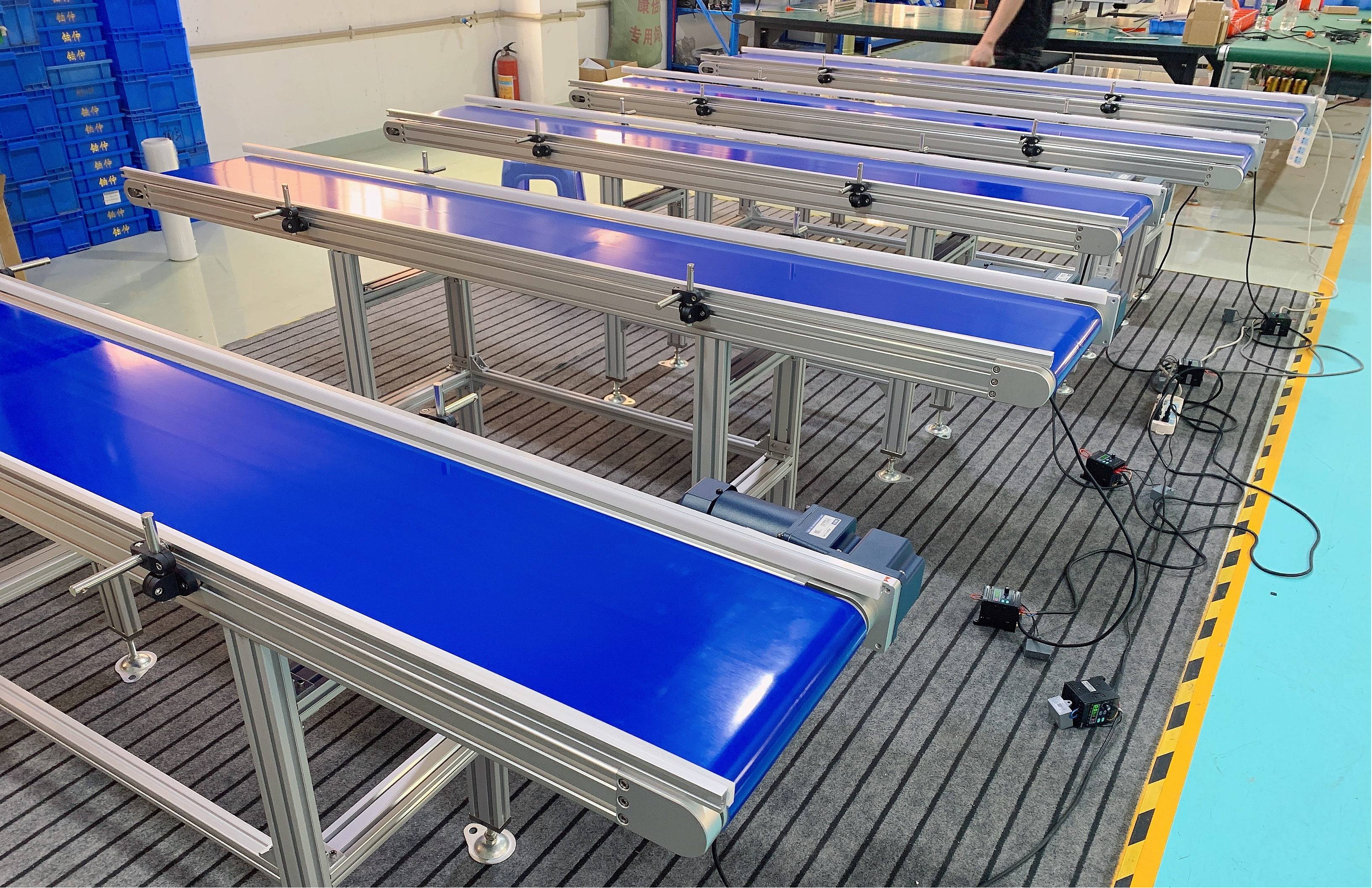
1,Space size:Extremely narrow space (e.g. precision instrumentation workshop) selectionbelt conveyorWide belt standard general-purpose type (single groove profile + space adaptability); space constraints but the need for efficient conveying, optional narrow belt double-row type (double groove profile + does not occupy too much area).
2. Layout requirements:Complex production lines requiring integrated equipment, preferredgenerously sized beltBuilt-in motor type (motor built-in + compact structure); slope conveying scenario, recommended wide belt baffle customized type (baffle anti-material slipping).
Four,What are the exclusive selection points for special industries or working conditions?
1,Industry exclusive requirements:Food processing industry needs food grade customized belt + sorting function, choose wide belt baffle customized type; medical equipment manufacturing (small consumables conveying) adapted to wide belt built-in motor type (neat and non-interference); 3C testing industry preferred wide belt visual backlight type (can be added to detect defective products camera).
2,Special requirements for working conditions:Noise-sensitive environments (such as precision laboratories) choose a narrow belt single-row type (tooth surface cloth noise reduction); unidirectional conveying and need to detect the scene, exclude forward and reverse conveyor models, go straight to the wide belt visual backlit type.
Five,How should I balance budget and delivery cycle for selection?
1,Budgetary control:Conventional light load, simple conveying, choose narrow belt single-row type (simple structure + lower cost); need high efficiency + high precision, can accept a little higher cost, choose narrow belt double-row type or wide belt built-in motor type.
2,Delivery cycle:Bulk ordering can be considered for rush order requirements (for orders over 10 units, the delivery time can be compressed to within 7 days) to avoid prolonged waiting time due to customization requirements.
belt conveyorThe core logic of selection is to first set the core demand for materials and production, then match the space, industry characteristics, and finally balance the budget and delivery. Combined with the above points, you can select a strong suitability, cost-effectivebelt conveyor, making the production flow smoother.